Choosing between the Cummins 4BT and 6BT comes down to one question: how much power do you actually need?
Quick answer:
- Choose the 4BT (3.9L) — if you need a compact, fuel-efficient engine for light-duty machinery, delivery vehicles, or marine auxiliary power
- Choose the 6BT (5.9L) — if you need higher torque, sustained heavy-duty performance, and maximum long-term reliability for trucks, mining, or industrial equipment
This guide gives fleet managers, procurement officers, and B2B buyers a complete side-by-side comparison — specs, performance, maintenance, parts availability, and ROI — so you can make a confident sourcing decision.

Table of Contents
Quick Specs Comparison: 4BT vs 6BT
| Feature | Cummins 4BT (3.9L) | Cummins 6BT (5.9L) |
|---|---|---|
| Configuration | Inline 4-Cylinder | 6Inline 4-Cylinder |
| Displacement | 3.9L (239 cu in) | 5.9L (359 cu in) |
| Bore × Stroke | 102mm × 120mm | 102mm × 120mm |
| Horsepower | 105–130 HP | 160–215 HP |
| Torque | 265–327 lb-ft | 400–440 lb-ft |
| Weight (Dry) | ~745 lbs (338 kg) | ~1,100 lbs (499 kg) |
| Engine Length | ~30.6 inches | ~40 inches |
| Oil Capacity | 10–11 Quarts | 12–15 Quarts |
| Fuel Efficiency | Higher | Moderate |
| Best Application | Light-duty / compact | Heavy-duty / trucks |
For full 6BT specifications, engine variants, and sourcing options: Cummins 6BT Complete Guide →
Related Products
-

190351X Cummins OEM Exhaust Outlet Connection
Request a Quote -
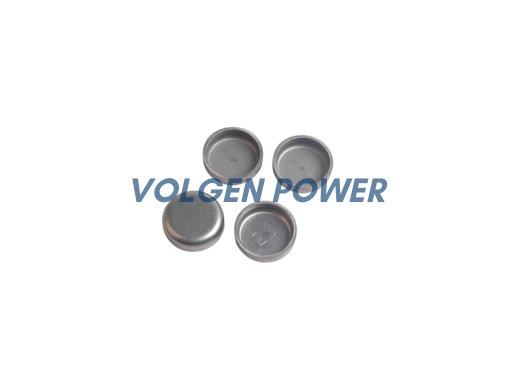
3004258 Expansion Plug For Cummins 6BT 6CT NT855 Engine Parts
Request a Quote -

3008590 High-Quality Replacement Wet Exhaust Manifold for Cummins NT855
Request a Quote -

3018453 Cummins K19/NT855 OEM Fuel Shutoff Solenoid Valve
Request a Quote
Power & Performance: Why the Cylinder Count Matters
6BT: The Flat Torque Curve Advantage
The inline-six configuration gives the 6BT natural primary and secondary balance. This produces a flat torque curve — the engine delivers consistent pulling power across a wide RPM range without constant downshifting.
For mining haul trucks, long-haul logistics, and heavy construction equipment, this means the engine can sustain load through high-resistance terrain without lugging or overheating.
6BT typical output: 160–215 HP / 400–440 lb-ft torque (stock P-Pump configuration; tuned builds can exceed 500 HP)
4BT: The Efficiency Specialist
The 4BT is an efficiency-focused engine. In stationary applications — water pumps, generators, auxiliary power units — it operates at lower parasitic loss due to fewer moving parts.
Important limitation: As a four-cylinder, the 4BT has inherent secondary vibrations. For all 4BT installations, high-quality fluid dampeners are strongly recommended to prevent vibration-induced fatigue on surrounding components.
4BT typical output: 105–130 HP / 265–327 lb-ft torque
Verdict: If your application requires sustained loads above 150 HP, forcing a 4BT to do that work accelerates wear and shortens engine life. The 6BT is the correct choice.
Physical Dimensions: The Engine Swap Reality
For buyers considering engine swaps or retrofits, dimensions are often the deciding factor.
Engine Length
- 4BT: ~30.6 inches — fits most compact engine bays without major fabrication
- 6BT: ~40 inches — the 10-inch difference often requires firewall modification or radiator relocation in light-duty vehicle swaps
Weight Distribution
- 4BT at ~745 lbs allows better front-to-rear weight balance in off-road vehicles (Jeep, Land Cruiser, compact 4×4)
- 6BT at ~1,100 lbs requires front suspension reinforcement in light-duty platforms; ideal in purpose-built heavy-duty frames
Practical rule: If the vehicle or equipment was designed for a 4-cylinder diesel, the 4BT is the clean install. If it was designed for a 6-cylinder engine, the 6BT fits without compromise.
Parts Interchangeability: The B2B Buyer’s Advantage
One of the most underappreciated facts about the B-Series: the 4BT and 6BT share approximately 70% of their components. For distributors and fleet operators, this dramatically simplifies inventory management.
Shared Components (Stock These for Both Engines)
| Component | Interchangeable? |
| Pistons & Rings (102mm bore) | ✅ Yes |
| Connecting Rods | ✅ Yes |
| Rocker Arms & Valve Springs | ✅ Yes |
| Many Injectors & Lift Pumps | ✅ Yes (check mounting pattern) |
| Valve Cover & Manifold Gaskets | ✅ Yes (modular) |
Engine-Specific Components (Order Separately)
| Component | Notes |
| Cylinder Heads | NOT interchangeable — casting length and coolant passages differ |
| Crankshaft & Camshaft | Different length and firing order |
| Oil Pan | Sized to specific block length |
| Full Gasket Sets | Sized to a specific block length |
For distributors: A single-SKU strategy for shared components, combined with engine-specific ordering for heads and gasket sets, significantly reduces inventory overhead while covering both platforms.
Source OEM-grade gasket kits and overhaul components for both 4BT and 6BT: View Cummins B-Series Parts →
Maintenance & Common Failures
The Killer Dowel Pin (KDP) — Affects Both Engines
Both the 4BT and 6BT have a small steel dowel pin that aligns the timing gear housing. Over time, engine vibration can cause this pin to back out and fall into the timing gears — resulting in catastrophic engine failure.
Prevention: A KDP retainer tab (a simple, inexpensive fix) eliminates this risk entirely. For any B2B buyer sourcing long blocks, request KDP retainer installation before shipment.
Cylinder Head Cracking
In high-heat environments — stationary pumps, poor-airflow installations — cylinder heads can crack between the intake and exhaust valves. This is more common with low-quality aftermarket heads.
What to look for in a quality head: High-nickel alloy casting with verified thermal fatigue resistance specs. Avoid budget castings that don’t specify alloy composition.
4BT-Specific: Vibration Management
The 4BT’s secondary vibration is manageable but must be addressed at installation. Neglecting vibration dampening leads to premature failure of:
- Fuel injection lines
- Coolant hose connections
- Transmission mounts
For a complete maintenance schedule and service intervals: Cummins 6BT Maintenance Guide →
Regional Applications: Where Each Engine Performs Best
Southeast Asia — Marine & Agricultural
The 4BT dominates marine auxiliary power in Indonesia, Vietnam, and the Philippines. Its mechanical simplicity means field repairs with basic tools — critical when you’re offshore or in remote agricultural areas.
Africa — Mining & Heavy Transport
The 6BT is the preferred engine for African mining operations. The mechanical P-Pump (P7100) configuration handles lower-cetane fuel quality better than modern common-rail systems — a significant advantage in regions with inconsistent fuel supply.
North America — Fleet Economy & Performance
Fleet operators use 4BT swaps in delivery vans to achieve 25+ MPG. The performance market builds 6BTs to 500+ HP for heavy towing. Both applications are well-supported by the global B-Series parts ecosystem.
ROI Analysis: Which Engine Costs Less Over Time?
| Factor | 4BT | 6BT |
| Initial Cost | Moderate (high demand drives prices up) | Competitive (high volume availability) |
| Fuel Cost | Lowest in class | Moderate |
| Maintenance Complexity | Simple — fewer parts | Simple — standard parts |
| Resale Value | Extremely high | High |
| Ideal Payback Period | Fuel savings recover cost in ~18 months (at ≤120 HP applications) | Better long-term value at 200+ HP requirements |
The financial verdict:
- If your application runs at or below 120 HP, the 4BT pays for itself in fuel savings within 18 months
- If you need 200+ HP sustained, the 6BT is the safer financial bet — pushing a 4BT beyond its design range shortens engine life and increases total cost of ownership
Which Engine Should You Choose? (Decision Guide)
Choose the Cummins 4BT if:
- Engine bay space or weight is a constraint
- Application runs at ≤130 HP
- Fuel economy is a primary operating cost concern
- Use case: delivery vans, step vans, marine auxiliary, compact industrial equipment, generator sets
Choose the Cummins 6BT if:
- You need sustained torque above 300 lb-ft
- Application involves heavy loads, grades, or long-haul cycles
- You operate in mining, heavy construction, long-haul trucking, or buses
- You want maximum parts availability and the widest global service network
For most commercial and heavy-duty fleet applications, the 6BT is the correct choice. Its superior torque, proven durability under sustained load, and extensive global parts ecosystem deliver better long-term value.
FAQ: Cummins 4BT vs 6BT
Q: What is the main difference between the Cummins 4BT and 6BT?
A: The 4BT is a 3.9L four-cylinder producing 105–130 HP, optimized for compact, fuel-efficient applications. The 6BT is a 5.9L inline-six producing 160–215 HP with significantly higher torque (400–440 lb-ft), designed for heavy-duty sustained performance. They share the same bore and stroke (102mm × 120mm) and approximately 70% of their components.
Q: Can I upgrade a 4BT to match 6BT power output?
A: With a larger turbocharger and fueling upgrades, a 4BT can reach 6BT stock power numbers. However, the 6BT will always have a higher performance ceiling, and pushing a 4BT to its limits accelerates wear on the shorter block. For applications genuinely requiring 6BT-level power, the 6BT is the correct choice.
Q: Are 4BT and 6BT parts interchangeable?
A: Approximately 70% of components are shared — including pistons, connecting rods, valvetrain parts, and many fuel system components. Cylinder heads, crankshafts, camshafts, oil pans, and full gasket sets are engine-specific and must be ordered separately.
Q: Which engine is better for fuel economy?
A: The 4BT is more fuel-efficient due to fewer cylinders and lower displacement. Fleet operators have achieved 25+ MPG in delivery van applications. The 6BT prioritizes power and torque over fuel economy.
Q: Which engine is better for mining applications?
A: The 6BT is strongly preferred for mining. Its flat torque curve handles high-resistance terrain without constant downshifting, and the mechanical P-Pump configuration tolerates lower-quality fuel better than modern common-rail systems.
Q: What is the Killer Dowel Pin (KDP) issue?
A: Both 4BT and 6BT engines have a small alignment dowel pin in the timing gear housing that can back out over time due to vibration, causing catastrophic gear damage. A KDP retainer tab — a simple, inexpensive fix — eliminates this risk. Always request KDP retainer installation on new long blocks.
Q: Which engine has better resale value?
A: The 4BT typically commands higher resale value due to strong demand in the engine swap market (compact diesel conversions). The 6BT has high resale value driven by its widespread use in commercial trucks and industrial equipment.
Q: What parts should distributors stock for both engines?
A: Prioritize shared components: pistons and rings (102mm), connecting rods, rocker arms, valve springs, and common injector/lift pump parts. Stock engine-specific items separately: cylinder heads, full gasket sets, crankshafts, and oil pans.