Frustrating shift delays in your Volvo truck—gears hesitating or slipping mid-transition, sapping power and risking safety on the highway—can grind operations to a halt. You're in good company: countless FH, FM, and FMX owners with advanced automatics battle this, often due to worn control valves like the 8172628. The silver lining? It's fixable—without a costly full rebuild.
This all-in-one guide empowers you to tackle Volvo 8172628 control valve shift delays head-on. Discover telltale symptoms, easy DIY diagnostics (including pressure checks), proven cleaning hacks for longer life, and upgrade paths for bulletproof reliability. Whether you're wrenching solo or teaming with a pro, you'll walk away with clear steps to restore smooth, efficient shifts—and minimize downtime.
Pro tip: Stock up on OEM-grade parts from trusted sources like Volgen Power for hassle-free repairs that last. Rev up your rig today—seamless performance awaits!
Table of Contents
Understanding Shift Delays in Volvo Transmissions
Shift delays in Volvo trucks can manifest as a noticeable lag when changing gears, rough shifting, or even complete hesitation during acceleration. These issues are particularly common in the I-Shift transmission system, which relies on electronic controls and hydraulic valves for seamless operation. The 8172628 control valve plays a pivotal role here, regulating fluid pressure to ensure timely gear engagement.
What Causes Shift Delays?
Several factors contribute to shift delays, but the control valve is often at the heart of the problem. Over time, debris, fluid degradation, or electrical faults can impair its function. For instance:
- Contaminated Transmission Fluid: Dirt and metal particles build up, clogging the valve and reducing hydraulic pressure.
- Worn Solenoid Valves: Related components like the 22327072 or 22327063 solenoids can fail, leading to inconsistent signals.
- Sensor Malfunctions: Wheel sensors (e.g., 20774242) or other electronic sensors may send erroneous data, triggering error codes that delay shifts.
- Mechanical Wear: In high-mileage trucks, the valve body itself may wear out, causing pressure inconsistencies.
According to the Volvo TCM Diagnostic Trouble Codes PDF, these issues often trigger fault codes like Code 33 in the I-Shift system, indicating problems with the split cylinder or clutch calibration. Ignoring them can lead to more severe transmission failure, costing thousands in repairs.
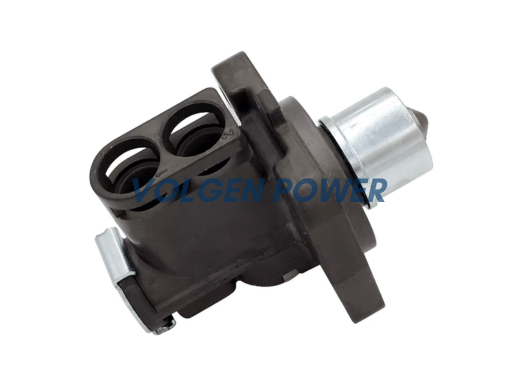
OEM No. 8172628 Valve Brand Volvo Interchangeable
Discover OEM No. 8172628 Valve for Volvo and Renault trucks. Interchangeable with genuine parts, compatible with VT/VTO Series gearboxes and models like FM9, FH12, and FH16. Ensure reliable performance.
Why Focus on the 8172628 Control Valve?
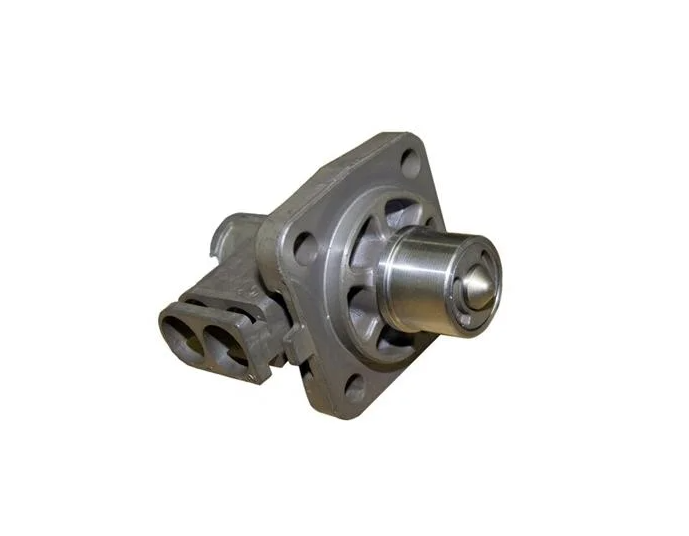
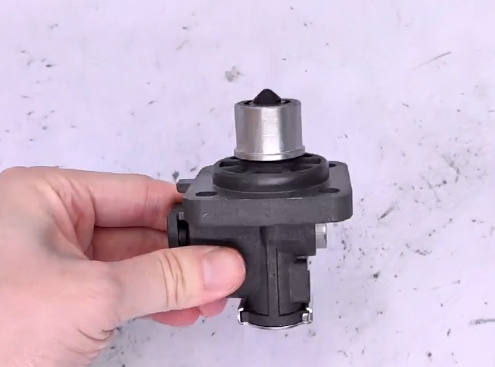
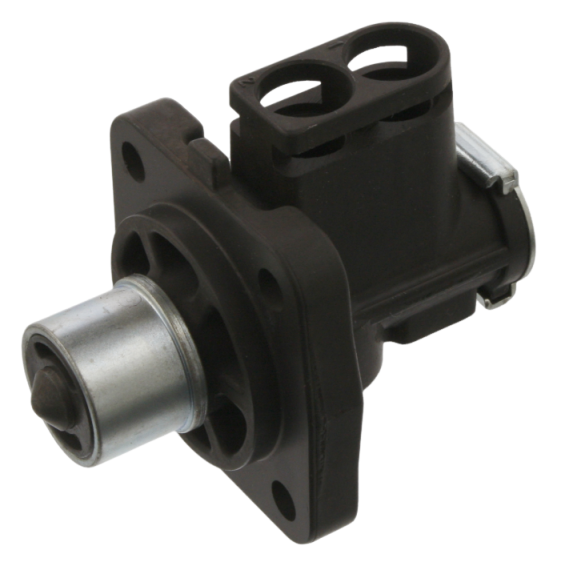
The 8172628 is a solenoid-operated control valve used in Volvo's VT/VTO series gearboxes, compatible with models like FH12, FH16, FM9, and FM12. It's interchangeable with OEM numbers like 1672230 and 7408172628, making it a versatile part for repairs. This valve ensures precise fluid flow for gear shifts, but when it malfunctions, it directly causes delays. Growing searches for "error codes" in Volvo transmissions highlight the increasing need for electronic diagnostics tied to valves and sensors.
As a supplier specializing in Volvo truck parts, Volgen Power offers the 8172628 valve as a high-quality, cost-effective alternative to dealer prices. Their parts are engineered to meet OEM standards, ensuring compatibility and durability. For more details, check out their product page: OEM No. 8172628 Valve for Volvo Trucks.
Diagnosing Shift Delays: Step-by-Step Guide
Before diving into repairs, accurate diagnosis is key. Here's how to identify if the 8172628 control valve is the culprit.
Step 1: Check for Error Codes
Modern Volvo trucks use onboard diagnostics (OBD) systems to log fault codes. Use a compatible scanner like the Volvo Tech Tool or a generic OBD-II reader.
- Connect the scanner to the truck's diagnostic port.
- Scan for transmission-related codes, such as those indicating solenoid or valve failures.
- Common codes include those related to clutch control valves or pressure sensors.
If you see codes pointing to the clutch control valve unit on the passenger side of the transmission, it's likely an internal fault in the 8172628.
Step 2: Perform Pressure Tests
Pressure tests are essential for confirming hydraulic issues in the control valve system.
- Tools Needed: Transmission pressure gauge, Volvo-specific adapters, and safety gear.
- Procedure:
- Warm up the engine to operating temperature.
- Locate the transmission test ports (refer to your model's service manual).
- Attach the gauge and monitor pressure during gear shifts.
- Normal line pressure should be around 150-200 PSI; drops below this indicate valve problems.
Low pressure often points to a clogged or faulty 8172628 valve. Expert Tip: Always perform tests in a controlled environment to avoid accidents—safety first, as recommended by seasoned Volvo mechanics.
Step 3: Inspect Related Sensors and Valves
Don't overlook interconnected parts:
- Wheel Sensor (20774242): Check for waveform errors or invalid signals, which can mimic shift delay symptoms.
- Solenoid Valves (22327072/22327063): These regulate clutch engagement; test for electrical continuity using a multimeter.
- Inhibitor Valve (1672231): Ensures safe shifting; faults here can compound delays.
Visual inspection for corrosion or wiring issues is crucial. In one case study from a fleet operator, replacing a faulty wheel sensor resolved intermittent shift flares that were initially blamed on the control valve.
Cleaning Tips for Volvo Control Valve Systems
If diagnostics show minor contamination rather than full failure, cleaning can restore function and delay the need for replacements.
Why Clean Instead of Replace?
Regular cleaning prevents buildup, extending the life of the 8172628 valve and related components. It's a cost-effective maintenance step, especially for high-mileage trucks.
Step-by-Step Cleaning Process
- Drain the Fluid: Remove old transmission fluid using the drain plug. Dispose of it responsibly.
- Remove the Valve Body: Disconnect the battery, then access the transmission pan to remove the valve body assembly.
- Clean the Valve: Use a non-abrasive cleaner like ATF solvent. Gently brush away debris from the 8172628 ports.
- Flush the System: Run fresh ATF through the lines to clear residues.
- Reassemble and Test: Refill with Volvo-approved fluid and perform a road test.
Pro Tip: Use compressed air sparingly to avoid damaging seals. For best results, pair this with a fluid change every 50,000 miles.
Volgen Power recommends their compatible solenoid repair kits for any minor wear discovered during cleaning—available at Volgen Power Solenoid Valves.
Upgrade Options for Enhanced Performance
If cleaning isn't enough or you're looking for long-term improvements, upgrading components can prevent future shift delays.
Recommended Upgrades
- High-Performance Solenoid Valves: Switch to upgraded versions like the 22327072 for better durability in harsh conditions.
- Advanced Sensors: Replace the 20774242 wheel sensor with ABS-compatible units to reduce error codes.
- Voith Retarder (VR115CT): For trucks with heavy braking needs, integrate this for better transmission control during downshifts.
Installation Guide for VR115CT Retarder
The Voith VR115CT is a hydrodynamic retarder that enhances braking without wearing out the transmission. Installation involves:
- Mounting the unit to the gearbox output.
- Connecting hydraulic lines and electrical controls.
- Calibrating via the truck's ECU.
Maintenance includes oil changes every 100,000 km, as per Voith guidelines. This upgrade can reduce shift delays by maintaining consistent fluid temperatures.
Expert Suggestion: When upgrading, consult a certified Volvo technician to ensure compatibility—poor installation can exacerbate issues, as seen in some user reports on forums.
For sourcing these upgrades, Volgen Power stands out as a trusted supplier with OEM-interchangeable parts. Their inventory includes the VR115CT and disc kits like 21666546, ensuring quick delivery and competitive pricing. Visit Volgen Power Truck Parts to browse.
Case Studies: Real-World Resolutions
To illustrate, consider a fleet of Volvo FH12 trucks experiencing chronic shift delays. Diagnostics revealed clogged 8172628 valves due to neglected fluid changes. After pressure tests confirmed low readings, cleaning and solenoid replacements resolved the issue, saving over $5,000 per truck compared to full rebuilds.
A driver reported Meritor transmission problems in a 2006 Volvo, fixed by replacing the range selector valve—similar to the 8172628. These stories underscore the importance of proactive maintenance.
Preventive Maintenance for Long-Term Reliability
Prevent shift delays with a routine schedule:
- Fluid Checks: Every 10,000 miles.
- Sensor Inspections: Annually or after 50,000 miles.
- Valve Calibration: Use Volvo software for periodic adjustments.
By integrating these, you can minimize downtime and extend your transmission's lifespan.

Conclusion
Resolving shift delays in Volvo 8172628 control valve systems doesn't have to be overwhelming. Through thorough diagnostics like pressure tests, effective cleaning, and strategic upgrades, you can restore smooth performance and avoid costly breakdowns. Remember, addressing symptoms early—such as error codes or slipping gears—can save significant time and money.
Ready to take action? Start by sourcing reliable parts from Volgen Power, your go-to supplier for Volvo truck components. Browse their selection today at www.volgenpower.com and get your truck back on the road. If you have questions, leave a comment below or contact their team for expert advice.
FAQs
What are the common symptoms of a failing 8172628 control valve in Volvo trucks?
Symptoms include shift delays, gear slipping, rough transitions, and dashboard error codes related to transmission pressure or solenoids.
How often should I perform pressure tests on my Volvo transmission?
Ideally, every 20,000-30,000 miles or whenever shift issues arise, to catch problems early.
Can I clean the 8172628 valve myself, or do I need a professional?
DIY is possible with basic tools, but professionals ensure proper reassembly to avoid further damage.
Where can I buy a replacement 8172628 control valve?
Reliable suppliers like Volgen Power offer OEM-compatible valves at competitive prices. Check their product page.
What upgrades pair well with the 8172628 valve for better performance?
Consider adding the Voith VR115CT retarder or upgraded solenoids like 22327072 for enhanced durability and reduced delays.
How do wheel sensors like 20774242 affect shift delays?
Faulty sensors can send invalid signals, triggering protective modes that delay shifts. Replace if error codes appear.