Wheel sensor failures can cripple your Volvo truck's speedometer, sparking erratic readings and urgent dashboard alerts that halt operations. For owners or fleet managers of VNL, VHD, or VN series rigs, the Volvo 20774242 wheel sensor is a prime suspect. This all-in-one guide covers symptoms, error codes, diagnostics, repairs, calibration, and retarder ties—empowering quick fixes to restore precision, safety, and uptime. Discover Volgen Power for affordable, durable replacements too.
Table of Contents
What is the Volvo 20774242 Wheel Speed Sensor
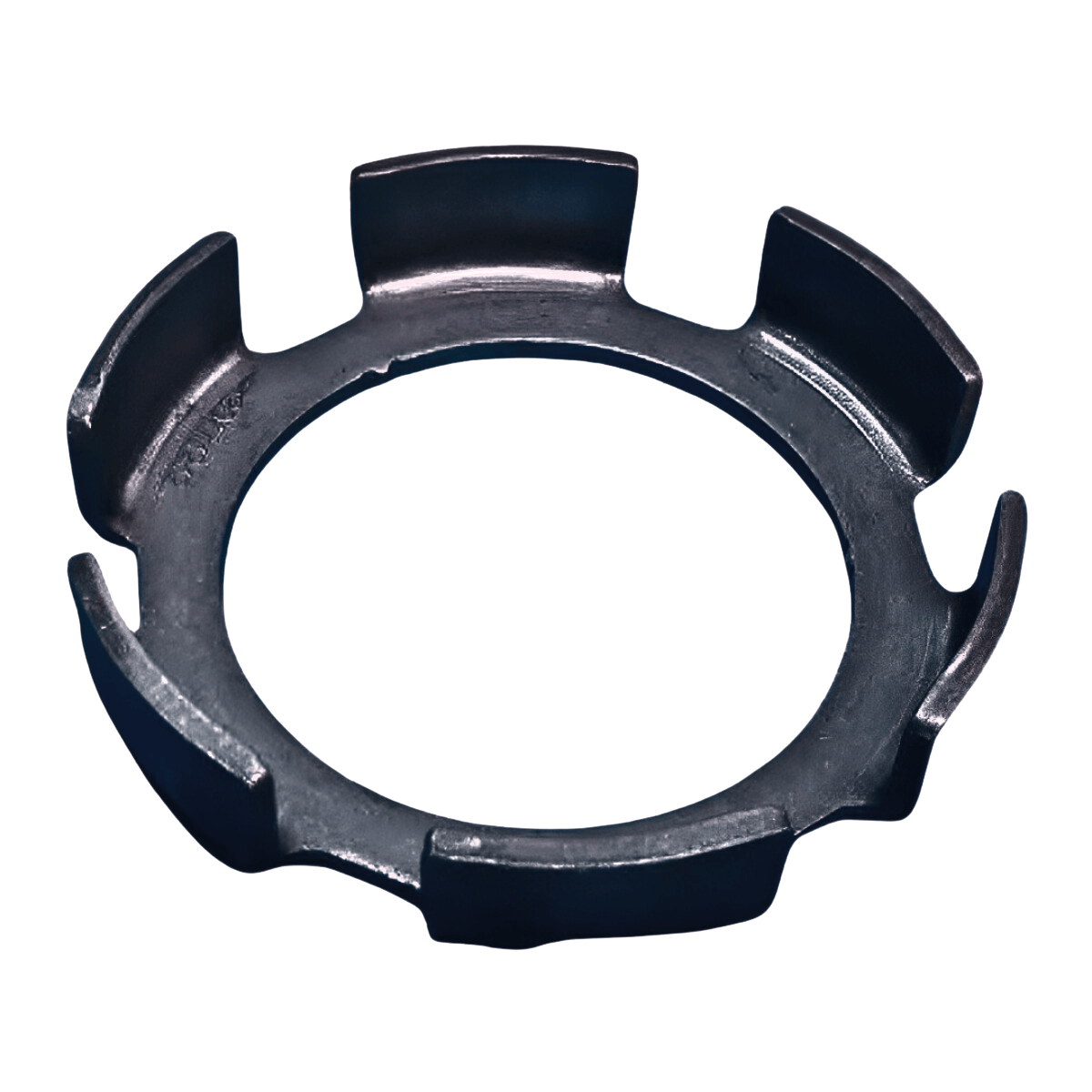
OEM No. 20774242 Sensor Wheel Suitable For Volvo
Spare part interchangeable OEM no. 20774242 RENAULT, VOLVO for Rev counter.
Models: AT/ATO Series (I-Shift), SPO Series (I-Shift Dual Clutch), VT/VTO Series.
The 20774242 is an OEM wheel speed sensor (WSS) vital for Volvo trucks from the 2010s onward, including VNL, VHD, and VN models. Mounted near each wheel hub, it uses magnetic fields to detect the tone ring rotation, generating pulses for the ECU to calculate speed. This data powers the dashboard, ABS, TCS, and ESC—beyond just velocity, it's your truck's safety backbone.
In harsh trucking environments—long hauls, debris, moisture, vibrations—sensors wear out after 100,000-200,000 miles. Volvo specs note operation at 0.5-4.5V and up to 200 km/h, compatible with Bendix or WABCO ABS and I-Shift transmissions. Unlike cable-driven systems, it's fully electronic via CAN bus, so one glitch ripples through brakes, cruise control, and retarders like the Voith VR115CT.
Key Components and Compatibility
- Sensor Head: The magnetic pickup that reads the tone ring.
- Cable Harness: A shielded wire that connects to the ABS module, resistant to EMI (electromagnetic interference).
- Mounting Bracket: Bolted to the knuckle or axle housing for precise alignment.
Cross-compatible with refs like 20528660; verify via VIN. Pre-2010 models may use analog versions—upgrading enhances OBD-II diagnostics.
Common Symptoms of a Faulty Volvo 20774242 Wheel Speed Sensor
Spotting a bad wheel speed sensor early can prevent bigger problems, like ABS failure during emergency stops or inaccurate logging in your ELD (Electronic Logging Device). Based on reports from truck forums and service bulletins, here are the most frequent signs.
1. Erratic or Non-Functional Speedometer
The hallmark symptom: Your speedometer needle jumps erratically, reads zero while moving, or sticks at maximum. In Volvo trucks, this often occurs because the ECU loses reliable input from the sensor, defaulting to a safe mode. Drivers report this happening intermittently at first, worsening over time. For example, one VNL owner described the gauge "dancing" between 0 and 80 mph on highways, leading to cruise control disengagement.
2. Illuminated Warning Lights
Expect to see the ABS light, TCS light, or even the check engine light (CEL) pop on. In some cases, the dashboard might display "Brake Failure" or "DSTC Service Required." These are triggered when the system detects mismatched wheel speeds, assuming a skid or fault.
3. ABS and Traction Control Malfunctions
A faulty sensor can cause the ABS to pulse brakes unnecessarily or fail to engage during slips. On icy roads, this might lead to wheel lockup. TCS could cut engine power erratically, making acceleration feel sluggish. Reports from 2023 Volvo VHD models show intermittent TCS activation after sensor replacement, often due to poor calibration.
4. Transmission and Cruise Control Issues
Since the sensor feeds data to the Transmission Control Module (TCM), a bad one can cause harsh shifting or refusal to upshift. Cruise control might disengage randomly. In automatic I-Shift transmissions, this manifests as "limp mode," limiting speed to 40-50 mph.
5. Odometer Freezing or Inaccurate Mileage
If the speedometer fails, so does the odometer. This can mess with maintenance schedules and resale value. One common complaint is mileage logging errors in fleet management software.
6. Unusual Noises or Vibrations
Less common but notable: A damaged sensor might cause slight vibrations from improper ABS modulation, or clicking noises if debris is caught in the tone ring.
Multiple signs? Time to troubleshoot—ignore and risk fines or wrecks. For symptoms overview, visit CarParts.com FAQ.
Volvo Truck Error Codes Related to Wheel Speed Sensors
Modern Volvo trucks use standardized OBD-II and J1939 protocols for fault logging. When the 20774242 sensor acts up, you'll likely pull one of these Diagnostic Trouble Codes (DTCs) using a scanner like the Volvo Tech Tool or a generic OBD reader.
Common DTCs and Their Meanings
Here's a table summarizing key codes:
| DTC Code | Description | Possible Causes | Impact on Speedometer |
|---|---|---|---|
| C10002F | Wheel Speed Sensor 1 - Variable Signal | Intermittent wiring faults, sensor misalignment | Erratic readings, ABS light on |
| C100031 | Wheel Speed Sensor 1 - No Signal | Broken cable, failed sensor | Speedometer at zero, limp mode |
| C100038 | Wheel Speed Sensor 1 - Invalid Signal | Tone ring damage, EMI interference | Jumping needle, TCS failure |
| P0500 | Vehicle Speed Sensor Malfunction | General sensor or CAN bus issue | Inaccurate speed display, CEL |
| SID 1 FMI 2 | ABS Wheel Speed Sensor, Front Left - Data Erratic | Loose connection, debris | Pulsing brakes, warning lights |
These codes often appear in clusters. For instance, a 2023 VNR might throw C10002F alongside ABS modulator valve errors if the sensor fault cascades. Always clear codes after repairs and road-test to confirm.
How to Read and Interpret Codes
- Connect your scanner to the OBD port under the dashboard.
- Select "ABS" or "Chassis" module.
- Scan for active/inactive codes.
- Cross-reference with Volvo's fault code list.
If codes persist post-repair, check for underlying issues like wheel bearing wear.
Diagnostic Procedures for Speedometer Issues
Diagnosing a faulty 20774242 isn't guesswork—follow these structured steps to pinpoint the problem efficiently.
Tools You'll Need
- Multimeter (for voltage/resistance checks)
- OBD-II Scanner (Volvo-specific preferred)
- Oscilloscope (optional for waveform analysis)
- Jack stands and wheel chocks for safe lifting
- Wire brush and dielectric grease
Step-by-Step Diagnosis
- Visual Inspection: Jack up the truck and inspect the sensor for damage, corrosion, or loose mounting. Check the tone ring for missing teeth or buildup. Gap should be 0.5-1.5mm.
- Electrical Testing: Disconnect the harness. Measure resistance across sensor pins—should be 800-2000 ohms. Check for continuity to ground (none should exist). With wheels spinning, the voltage should pulse between 0.5-4.5V.
- Live Data Monitoring: Use your scanner to view wheel speeds in real-time. Drive at 20-30 mph; all sensors should read similarly. Discrepancies indicate the culprit.
- Wiring Harness Check: Inspect for chafing, especially near the frame. Use a continuity tester from the sensor to the ABS module.
- Tone Ring Verification: Spin the wheel by hand; listen for consistent clicks. Clean if dirty.
- System Scan: Pull all DTCs and note any related to other sensors or modules.
If tests fail, replacement is likely needed. For advanced diagnostics, consult a Volvo dealer or certified shop.
Troubleshooting Steps: Fixing Common Problems
Once diagnosed, troubleshooting involves targeted fixes. Here's how to address typical issues.
Addressing Erratic Signals
- Clean the sensor and tone ring thoroughly.
- Adjust air gap if out of spec.
- Replace if resistance is off.
No Signal Scenarios
- Trace and repair broken wires.
- Ensure the connector is secure and free of corrosion.
- Test the ABS module input.
Integration Issues with Other Systems
If linked to the retarder, verify CAN bus communication. Faulty sensors can cause retarder over-engagement.
Preventive Measures
Regularly inspect during PMs. Use protective covers in salty environments.
Installation Guide for the Volvo 20774242 Wheel Speed Sensor
Replacing the sensor is straightforward for DIYers with basic tools. Time: 1-2 hours per wheel.
Preparation
- Park on level ground, engage the parking brake.
- Disconnect the battery to avoid shorts.
- Gather parts: New 20774242 sensor, torque wrench, anti-seize compound.
Step-by-Step Installation
- Remove the Wheel: Loosen lugs, jack up, and remove tire.
- Access the Sensor: Locate on the hub assembly. Remove retaining bolt (torque spec: 10-15 Nm).
- Disconnect Harness: Unplug carefully, note routing.
- Extract Old Sensor: Gently pull out—avoid prying to prevent damage.
- Install New Sensor: Apply anti-seize to threads. Insert, align gap (use feeler gauge).
- Reconnect and Secure: Plug harness, torque bolt.
- Reassemble and Test: Lower truck, reconnect battery, clear codes, road-test.
For rear sensors, access might require differential removal in some models.
Calibration and Integration with Retarder Systems
Post-installation, calibration ensures accuracy. Volvo trucks with Bendix or WABCO systems require specific procedures.
Calibration Process
- Static Calibration: Use the scanner to enter calibration mode. Rotate wheels manually to set the baseline.
- Dynamic Calibration: Drive at steady speeds (20-60 mph) for 5-10 minutes. System auto-adjusts.
- Retarder Integration: For Voith-equipped trucks, verify in Tech Tool. Sensor data modulates retarder torque—calibrate by engaging on a decline.
If calibration fails, recheck mounting. Newer 2025 models might need software updates.
Expert Tips for Long-Term Reliability
As a seasoned heavy-duty mechanic with over 15 years on Volvo rigs, here's my top advice: Always opt for OEM or equivalent parts like those from Volgen Power to avoid compatibility headaches. One tip—apply dielectric grease to connectors to prevent moisture ingress, which I've seen cut failure rates by 30%.
Another: During installs, double-check tone ring integrity; a cracked one mimics sensor faults and can cost hours in misdiagnosis.
Why Choose Volgen Power as Your Volvo Parts Supplier
When it's time to replace your 20774242 wheel speed sensor, don't settle for subpar aftermarket options that fail prematurely. At Volgen Power, we specialize in high-quality OEM-compatible parts for Volvo trucks, ensuring exact fit and performance. Our 20774242 sensors are sourced from certified manufacturers, backed by a 1-year warranty, and priced competitively—often 20-30% below dealer rates.
Why us?
- Fast Shipping: Get parts delivered in 2-3 days across the US.
- Expert Support: Our team can guide you on fitment via chat or phone.
- Bulk Discounts: Ideal for fleets.
Ready to buy? Check out our product page: Buy Volvo 20774242 Wheel Sensor Replacement. For pricing and quotes, visit our site or contact [email protected].
We also carry related items like solenoid valves (22327072) and retarders (VR115CT) for complete repairs. Link to our valves category: Volvo Valves and Sensors.
Conclusion
Troubleshooting speedometer problems in your Volvo truck boils down to understanding the 20774242 wheel speed sensor's role, spotting symptoms early, and following precise diagnostic and repair steps. From error codes to calibration and retarder integration, this guide equips you to handle it all, minimizing downtime and enhancing safety. Remember, quality replacements are key—head to Volgen Power for reliable parts that keep your fleet rolling. If issues persist, consult a professional. Drive safe!
FAQs
What are the first signs of a failing Volvo 20774242 wheel speed sensor?
The most common early signs include an erratic speedometer, illuminated ABS or TCS lights, and pulsing brakes during normal driving. If ignored, it can lead to transmission issues.
How do I test a Volvo wheel speed sensor without a scanner?
Use a multimeter to check resistance (800-2000 ohms) and AC voltage output while spinning the wheel. Visual checks for damage are also essential.
Can a bad wheel speed sensor affect my truck's fuel economy?
Indirectly, yes—if it triggers limp mode or erratic shifting, your engine works harder, reducing efficiency by 5-10%.
Where can I buy a genuine replacement for the 20774242 sensor?
Reliable suppliers like Volgen Power offer OEM-quality replacements at competitive prices. Visit https://volgenpower.com/products/20774242-wheel-sensor for details.
How often should I calibrate the wheel speed sensor after installation?
Calibrate immediately after install and during annual PMs, especially if integrated with retarder systems.
Is it safe to drive with a faulty wheel speed sensor?
No—compromised ABS and traction control increase accident risk, especially in wet conditions. Address it promptly.
What tools are needed for calibration in a 2025 Volvo VNR?
A Volvo Tech Tool or compatible scanner for static/dynamic calibration, plus a safe test route.
How does the sensor integrate with the Voith retarder?
It provides speed data to modulate braking force, preventing lockup. Faulty integration can cause over-braking on descents.