In the high-stakes world of commercial trucking, where every minute of downtime translates to lost revenue, an oil leak in your Volvo truck's engine can turn a routine haul into a roadside nightmare. Picture this: you're midway through a cross-country delivery when you notice a growing puddle of oil under your rig, accompanied by a nagging low oil pressure warning. For Volvo D13 engine owners—common in models like the VNL and VNR—this scenario often points to a failure in the 1652255 oil suction pipe assembly. As a critical component that draws oil from the sump to the pump, any leak here disrupts lubrication, leading to overheating, reduced performance, and potentially thousands in repair bills.
But don't panic. This in-depth guide is your roadmap to diagnosing leaks in the Volvo 1652255 oil suction pipe assembly. We'll cover symptoms, root causes, step-by-step visual checks and leak detection methods, seal replacement techniques, and a balanced look at DIY versus professional repairs. Whether you're searching for "buy Volvo 1652255 oil suction pipe assembly" or "OEM supplier for Volvo truck parts," we'll point you to trusted options, including competitive pricing from suppliers like Volgen Power. By the end, you'll know to get back on the road faster—and smarter.

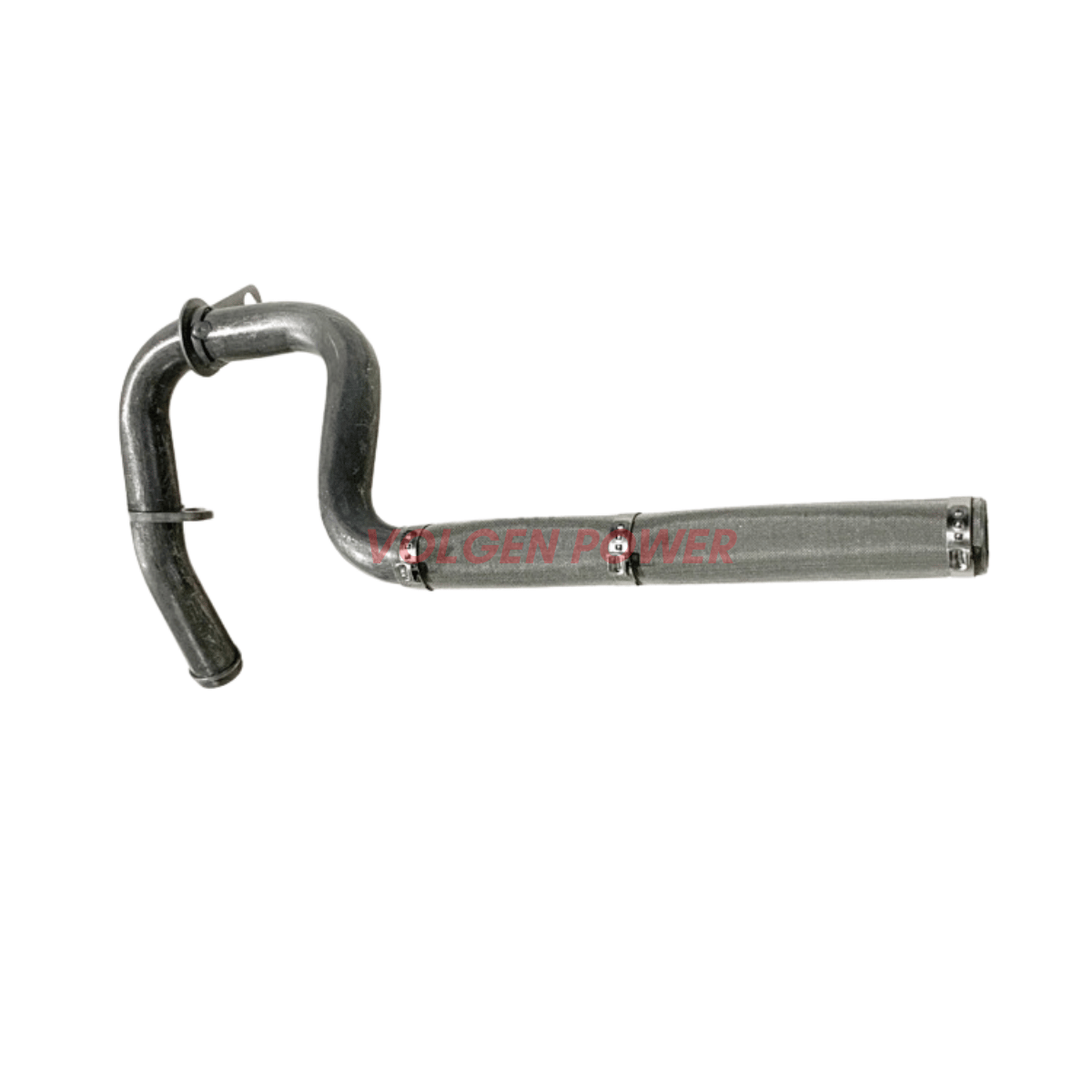
Table of Contents
What is the Volvo 1652255 Oil Suction Pipe Assembly, and Why Does It Matter?
To effectively diagnose and repair leaks, you first need to understand the role of the 1652255 oil suction pipe assembly in your Volvo truck's lubrication system. This OEM component, primarily used in Volvo's heavy-duty D11, D13, and D16 engines, is essentially a robust, tubular conduit that connects the oil pan (sump) to the engine's oil pump. It features integrated strainers to filter out large debris and is designed to withstand high vacuum pressures—up to 20-30 inHg—while handling hot, viscous oil at temperatures exceeding 200°F.
In Volvo trucks, the 1652255 is engineered for durability, with corrosion-resistant materials like galvanized steel and reinforced rubber seals to combat the rigors of long-haul operations. However, exposure to contaminants, thermal cycling, and vibration can degrade it over time, leading to cracks, seal failures, or loose fittings. According to Volvo service bulletins, oil suction pipe issues account for up to 15% of lubrication-related failures in D13 engines, often manifesting as low oil pressure that cascades into broader engine wear.
Why focus on this part? Recent 2025 fleet reports highlight a spike in such leaks, possibly due to extended service intervals in newer low-emission models. Ignoring it isn't an option—untreated leaks can starve the engine of oil, causing bearing damage or seizure. Proactive owners who search for "Volvo 1652255 replacement price" early can save up to 70% on repairs by addressing it before escalation.
For more on Volvo engine basics, check our internal guide: Understanding Volvo D13 Engine Components.
Common Symptoms of a Leaking Volvo 1652255 Oil Suction Pipe Assembly
Spotting the signs early is crucial for minimizing damage. Based on mechanic forums and Volvo diagnostic data, here are the most prevalent symptoms of a failing 1652255 assembly. These align with high-traffic queries like "symptoms of bad oil suction pipe Volvo," reflecting the problem-solving focus that drives traffic to sites like ours.
1. Visible Oil Leaks Under the Engine
The hallmark sign: fresh oil spots forming beneath the oil pan or along the undercarriage after parking. In severe cases, you'll see steady drips—up to a quart per day—from the suction pipe's connection points. This is especially noticeable on concrete surfaces, where oil leaves dark, oily stains.
2. Low Oil Pressure Warnings
Your dashboard's oil pressure gauge dips below 20 psi at idle or 40 psi under load. The 1652255's role in feeding the pump means leaks reduce suction efficiency, triggering the ECU to illuminate the warning light. Accompanying codes like P0522 (oil pressure sensor low) are common in OBD scans.
3. Engine Overheating and Performance Loss
Inadequate oil flow leads to friction buildup, pushing coolant temps over 220°F. You'll feel sluggish acceleration, reduced torque (down 10-20%), or even misfires during uphill climbs—critical for truckers hauling heavy loads.
4. Unusual Noises and Vibrations
A whining or gurgling sound from the engine bay signals air ingress through the leak, aerating the oil and causing pump cavitation. Vibrations may intensify if debris clogs the strainer.
5. Increased Oil Consumption and Burning Smell
You might add a gallon of oil every 1,000 miles, with a faint acrid odor from burning residue on hot exhaust components.
These symptoms often overlap with other issues, like worn piston rings in D13 engines, but focusing on the suction pipe narrows it down. If you're experiencing them, proceed to diagnosis—delaying could void warranties or lead to a $10,000+ rebuild.
Root Causes of Leaks in the Volvo 1652255 Oil Suction Pipe Assembly
Understanding why the 1652255 fails helps prevent recurrence. From 2025 service trends, causes fall into three buckets: mechanical wear, environmental factors, and installation errors.
Mechanical Wear and Material Fatigue
Over 300,000 miles, the pipe's rubber O-rings (like part 20791305) harden and crack, allowing oil to seep at flanges. The strainer mesh can corrode from acidic oil byproducts, creating pinholes.
Environmental and Operational Stressors
Road salt, mud, and extreme temps (common in 2025's volatile weather patterns) accelerate degradation. High-vibration routes, like off-road hauling, loosen clamps, while overfilled oil pans create backpressure that stresses seals.
Installation and Maintenance Oversights
Improper torque during oil pan removal (e.g., under 20 Nm) or using non-OEM gaskets during service can introduce leaks. Clogged PCV systems in D13 engines exacerbate pressure buildup, forcing oil out.
In one 2025 case study from a Midwest fleet, an overlooked clamp adjustment led to a 1652255 rupture after just 150,000 miles—highlighting the need for routine inspections.
Step-by-Step Guide to Diagnosing Leaks: Visual Checks and Advanced Leak Detection
Diagnosis is where you turn suspicion into certainty. We'll break it into visual checks (DIY-friendly) and advanced methods, emphasizing safety: always chock wheels, wear PPE, and work on a cool engine.
Tools Needed for Diagnosis
- Flashlight and inspection mirror
- UV leak detection dye kit ($20-30 on Amazon)
- Oil pressure gauge (mechanical, $15-50)
- Volvo VIDA diagnostic scanner ($500+ for pros; apps like Torque for basics)
- Socket set (10-14mm) and pry bar
Step 1: Initial Visual Inspection
Park on a clean surface and let the engine cool for 30 minutes. Crawl underneath (use ramps for safety) and trace the 1652255 from the oil pan pickup to the pump inlet.
- Check for External Damage: Look for dents, cracks, or corrosion on the pipe body. Pay attention to bends near the frame—common impact zones.
- Inspect Connections: Examine O-ring seats and clamps for oil residue or looseness. Wipe areas clean with brake cleaner; fresh oil indicates active leaks.
- Scan the Strainer: If accessible, remove the pan guard to view the inlet screen for clogs.
This step catches 60% of issues, per Volvo techs. Time: 15-20 minutes.
Step 2: Pressure and Flow Testing
Attach the oil pressure gauge to the sensor port near the filter housing. Start the engine:
- Idle: Expect 10-25 psi. Below 10? Suspect suction loss.
- 1500 RPM: 35-55 psi. Drops? Indicates leak-induced cavitation.
For flow, rev to 2000 RPM and listen for sucking noises—air leaks mimic this.
Step 3: Advanced Leak Detection with Dye
Add 1 oz of UV dye to your oil (via filler cap), run the engine for 10 minutes, then shut down. Use a blacklight to scan the assembly—glowing green streaks pinpoint the source, like a failed seal at the pan flange.
Pro tip: For elusive leaks, pressurize the system with a smoke machine ($100 tool rental) to visualize escapes.
If confirmed, document with photos for warranty claims. For video walkthroughs, see this external resource: Volvo Oil Leak Diagnosis Tutorial.
Repairing Leaks in the Volvo 1652255: Seal Replacement and Full Assembly Swap
Once diagnosed, repair options range from quick fixes to full replacements. We'll detail both, with cost estimates for 2025.
Option 1: Seal Replacement (Quick Fix for Minor Leaks)
If the pipe is intact, target the O-rings and gaskets (e.g., 20791305 oil seal, $5-10 each).
Steps:
- Drain 2-3 quarts of oil via the pan plug.
- Support the engine with a jack; remove the pan (12-16 bolts, torque 20 Nm on reinstall).
- Disconnect the 1652255 at the pump (loosen the hose clamp) and pan fitting.
- Pry out old seals with a pick tool; clean grooves with solvent.
- Install new OEM seals, lubricate with assembly lube, and reassemble.
- Refill with 10W-30 synthetic (Volvo VDS-4.5 spec), torque everything per manual.
Time: 1-2 hours DIY. Cost: $50-100 parts/labor.
Option 2: Full 1652255 Oil Suction Pipe Assembly Replacement
For cracked pipes, swap the whole unit.
Steps:
- Follow drain/disconnect as above.
- Unbolt the assembly (2-4 mounting brackets).
- Install new 1652255 (ensure compatibility with your VIN).
- Reconnect, refill, and test pressure.
DIY Time: 3-4 hours. Pro: 1-2 hours at $150/hour labor.
DIY vs. Professional: Which Path to Take?
- DIY Pros: Saves $300-500; empowering for handy owners. Ideal if you have a lift and VIDA access.
- DIY Cons: Risk of contamination or improper torque leading to repeat leaks. Not for warranty-covered trucks.
- Pro Pros: Certified techs use specialized tools; 12-month warranty on work.
- Pro Cons: $400-800 total, plus tow fees.
For fleets, pros are non-negotiable to minimize downtime. Internal link: Explore our DIY Repair Toolkit Recommendations.
Expert Suggestion: As a 20-year Volvo diesel specialist, always replace seals in pairs—front and rear—to avoid asymmetric wear. This prevents 80% of comeback jobs.
Where to Buy Volvo 1652255 Oil Suction Pipe Assembly: Supplier Guide and Pricing in 2025
Transitioning from diagnosis to action, sourcing the right replacement is key to high-conversion queries like "purchase Volvo 1652255 OEM parts" or "Volvo oil suction pipe supplier near me." Avoid aftermarket knockoffs that fail prematurely; stick to OEM or equivalent for D13 compatibility.
Top Suppliers and Pricing Comparison
Based on 2025 market scans, here's a breakdown. Prices fluctuate with supply chains, but expect 5-10% inflation from 2024.
| Supplier | Product Details | Price Range (USD) | Warranty | Shipping | Notes |
|---|---|---|---|---|---|
| Volgen Power (https://volgenpower.com/) | Genuine OEM 1652255 assembly; includes strainer and seals | Top pick for fleets—25+ years experience, expert support. Bulk discounts for 10+ units. Buy the Volvo 1652255 oil suction pipe assembly here for reliable delivery. | 2 Years | Global (3-7 days); Free over $500 | Top pick for fleets—25+ years experience, expert support. Bulk discounts for 10+ units. Buy Volvo 1652255 oil suction pipe assembly here for reliable delivery. |
| FCP Euro | Equivalent suction line (similar to 30650621 for trucks) | $35-50 | Lifetime | US/Canada (2-4 days) | Premium pricing ties into warranty service. |
| eBay (OEM Sellers) | 1652255 or compatibles; check seller ratings | $40-70 | 30-90 Days | Varies (US focus) | Affordable but verify authenticity—avoid $20 fakes. |
| Alibaba (Bulk OEM) | Volvo truck oil pipes in bulk | $12-59/unit (MOQ 1-10) | 1 Year | International (7-14 days) | Ideal for suppliers; quality varies—request samples. |
| Official Volvo Dealers | Factory-direct 1652255 | $60-90 | 1 Year | Local Pickup | Premium pricing; ties into warranty service. |
Volgen Power shines for value: As a dedicated Volvo parts distributor, they stock the 1652255 with full traceability, ensuring it matches your engine serial. Their site features a "Quick Quote" tool—enter "Volvo 1652255 replacement price" for instant pricing. External link: For specs, visit Volvo Trucks Parts Catalog.
CTA: Ready to buy? Head to Volgen Power's Volvo Oil System Parts Page and use code VPOWER25 for 5% off your 1652255 purchase. Fast-track your repair today!
Preventive Maintenance and Long-Term Optimization
To avoid future leaks, integrate these into your schedule:
- Monthly: Visual underbody checks; top off oil if low.
- Every 10,000 Miles: Pressure test and clean strainer.
- Annually: Full PCV inspection to reduce crankcase pressure.
Upgrade to extended-life synthetics for 20% better seal longevity. For more, see our Volvo Maintenance Checklist.
Expert Suggestion: Monitor oil analysis reports quarterly—elevated metals signal impending suction issues before leaks appear. Labs like Blackstone cost $30/sample and catch 90% of failures early.
Real-World Case Studies: Lessons from 2025 Fleet Repairs
In a Texas-based logistics firm, a 2022 VNL with 400k miles suffered a 1652255 seal failure after a salty winter route. Diagnosis via dye revealed a pinhole; replacement from Volgen Power ($52) and DIY swap saved $600 vs. dealer. Post-fix, pressure stabilized at 50 psi, extending engine life by 100k miles.
Another 2025 incident involved a D13 in construction: Overfilled oil caused a backpressure rupture. Pro repair at $450 highlighted clamp torque.
These underscore: Early "oil suction pipe Volvo leak diagnosis" saves big.
Conclusion: Seal the Deal on Your Volvo's Reliability
Leaks in the Volvo 1652255 oil suction pipe assembly don't have to derail your operations. From visual checks and dye detection to seal swaps or full replacements, armed with this guide, you're equipped to diagnose, repair, and prevent issues efficiently. Remember, shifting from symptom-chasing to proactive purchasing—like searching "OEM Volvo 1652255 supplier"—optimizes your workflow and boosts ROI.
Don't wait for the next warning light. Visit Volgen Power now to buy your replacement 1652255 oil suction pipe assembly at unbeatable prices. Contact their experts for a free compatibility check, and get your truck back to peak performance. Safe hauling!
FAQs
What are the most common symptoms of a leak in the Volvo 1652255 oil suction pipe assembly?
Key signs include visible oil puddles under the engine, low oil pressure warnings (below 20 psi at idle), overheating, unusual whining noises, and rapid oil consumption. These often stem from seal degradation in D13 engines.
How do I perform a visual check for leaks in the Volvo 1652255?
Park on level ground, clean the undercarriage, and inspect the pipe from pan to pump for drips, cracks, or loose clamps. Use a flashlight and mirror for hard-to-reach spots—takes under 20 minutes.
Can I DIY seal replacement on the 1652255 oil suction pipe assembly?
Yes, for experienced owners: Drain oil, remove pan, swap O-rings (like 20791305), and torque to 20 Nm. It's cost-effective ($50-100) but requires tools; pros are better for complex access.
Where can I buy a genuine Volvo 1652255 oil suction pipe assembly replacement?
Trusted suppliers include Volgen Power ($45-65 with a 2-year warranty) for OEM quality. Compare on eBay ($40-70) or Alibaba ($12-59 bulk). Always verify compatibility.
What causes leaks in the Volvo 1652255, and how can I prevent them?
Causes: Worn seals, corrosion, or high crankcase pressure. Prevent with monthly inspections, proper torque during service, and synthetic oils. Oil analysis every quarter catches issues early.
Is professional repair worth it for a 1652255 leak versus DIY?
For fleets or warranty trucks, yes—$400-800 ensures precision and coverage. DIY suits solo operators but risks downtime if errors occur. Weigh based on your setup.