The engine oil pump is a positive displacement device that circulates engine oil under pressure to lubricate moving parts, reduce friction, dissipate heat, and clean internal components by carrying away debris. It draws oil from the oil pan (sump) via a pickup tube and screen, pressurizes it, and distributes it through oil galleries to bearings, pistons, camshaft, crankshaft, and other vital areas.
Proper oil pressure (typically 40-70 PSI at operating temperature for diesel engines) ensures:
- Reduced wear on high-load components like main and rod bearings
- Effective cooling by transferring heat away from hot spots
- A cleaning action that removes contaminants and metal particles
- Hydraulic operation of components like valve lifters or variable valve timing
Without adequate pressure, friction skyrockets, temperatures rise uncontrollably, and engine life plummets. Studies show that lubrication-related failures account for over 50% of engine breakdowns in heavy-duty applications.
In the automotive world, an oil pump failure is a roadside inconvenience. In the industrial sector—powering megawatt generator sets, heavy earthmoving equipment, and continuous-duty marine engines—an oil pump failure is a financial catastrophe.
For facility managers and specialized technicians, the engine oil pump is not merely a component; it is the lifeline of the asset. A diesel engine running at prime power relies on a continuous, pressurized oil film to separate moving metal components at thousands of RPM. If that film breaks for even three seconds, the resulting damage to main bearings, crankshafts, and turbochargers can cost tens of thousands of dollars in repairs and, more critically, result in unacceptable downtime.
As a specialized supplier of heavy-duty diesel oil pumps, Volgen Power understands that industrial demands differ fundamentally from those of passenger vehicles. This guide dives deep into the engineering realities of diesel lubrication, the specific failure modes of heavy-duty pumps, and why procurement choices directly impact the Total Cost of Ownership (TCO) of your machinery.
Table of Contents
How Engine Oil Pumps Work: Principles and Operation
Engine oil pumps operate on the positive displacement principle: they trap a fixed volume of oil and force it into the engine's lubrication system. Most are mechanically driven by the crankshaft via a gear, chain, or direct coupling, ensuring oil flow starts immediately upon engine cranking.
Key components include:
- Pump housing and gears/rotors: The core pumping mechanism
- Pickup tube and screen: Prevents debris ingestion
- Pressure relief valve: Bypasses excess pressure to prevent damage
- Drive shaft: Connects to crankshaft
As the engine rotates, the pump creates suction at the inlet (drawing oil from the sump) and pressure at the outlet (pushing oil through the filter and galleries). Oil then returns to the sump via gravity and drain-back paths, completing the cycle.
Many industrial pumps incorporate a pressure relief valve set to open at 70-100 PSI, routing excess oil back to the inlet to maintain safe pressures during cold starts or high RPM.
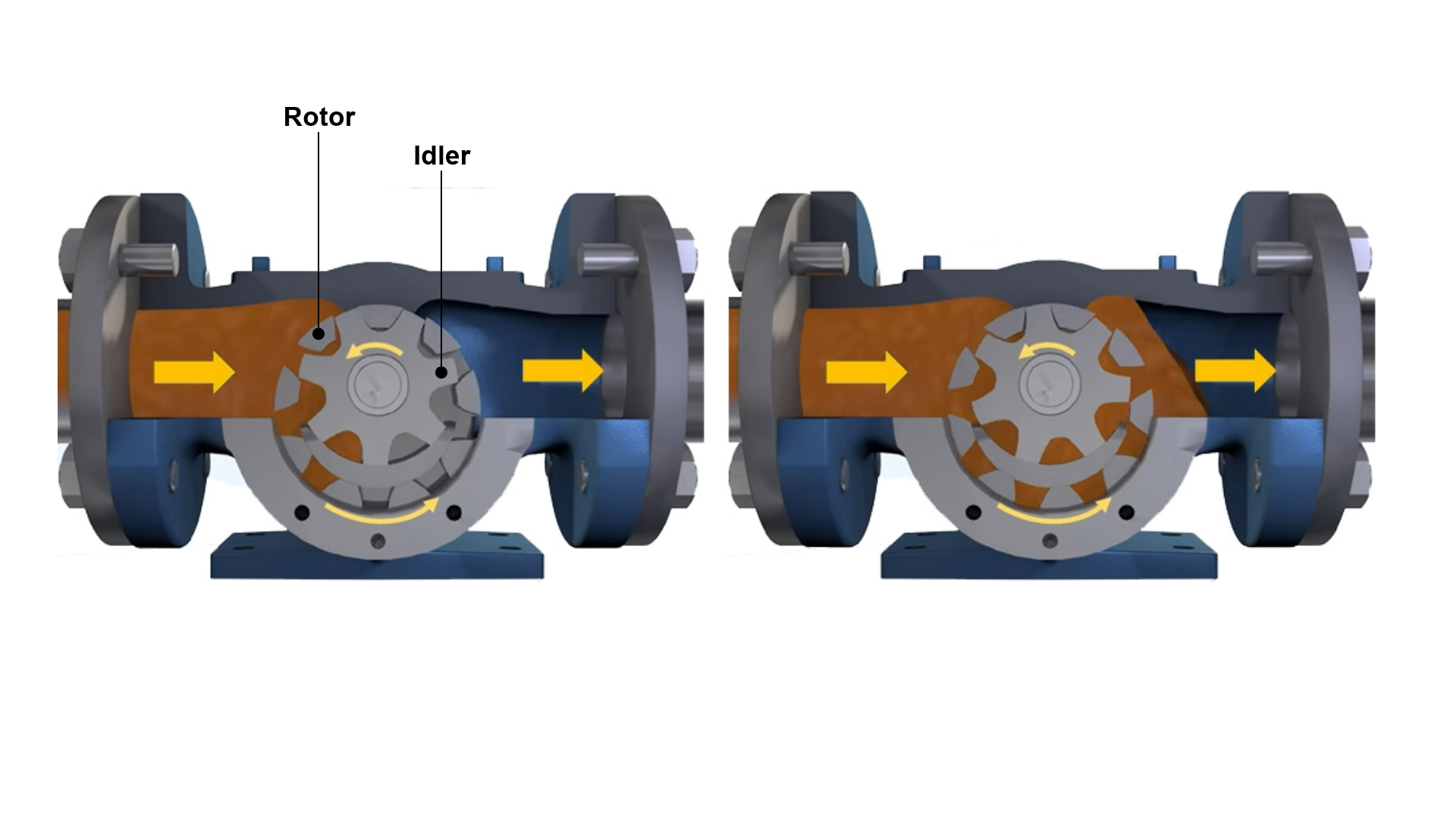
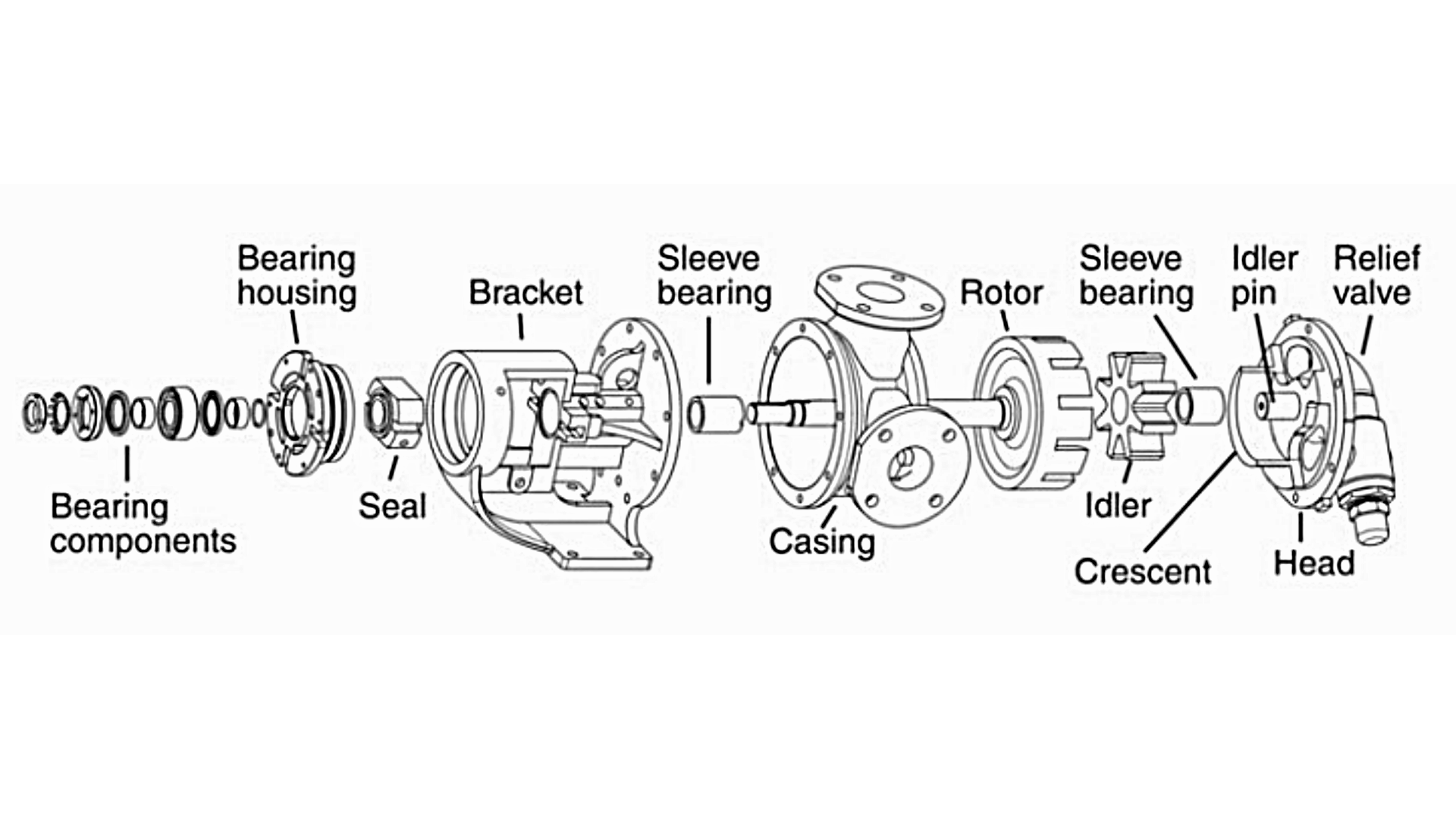
Cutaway views of internal gear-type oil pumps showing rotor and idler operation.
The Diesel Difference: Why Industrial Engines Need Specialized Pumps
Many aftermarket suppliers rebrand light-duty automotive designs for heavy-duty applications. This is a recipe for failure. Diesel engines operate in environments that are hostile to standard mechanical components. Understanding these challenges is the first step in selecting the right pump.
A. The Soot Factor (Abrasive Wear)
Unlike gasoline engines, diesel combustion produces significant amounts of soot (carbon particles). Even with high-quality filtration, microscopic soot particles are suspended in the engine oil. Over time, this turns the oil into a mild abrasive compound.
- The Risk: Standard oil pump gears made from softer sintered metals are quickly eroded by this "sanding" effect. As gear tolerances widen, volumetric efficiency drops, leading to low oil pressure at hot idle.
- The Volgen Solution: We utilize High-Carbon Hardened Steel Alloys for our gears and rotors. Our heat-treatment processes increase surface hardness, allowing our pumps to resist soot abrasion for thousands of operational hours longer than standard replacements.
B. High-Viscosity Cold Starts
Industrial diesel engines often use higher viscosity oils (like 15W-40 or 20W-50) to handle high compression loads.
- The Risk: At cold start-up (especially in backup generators stored outdoors), this thick oil resists flow. A weak pump design can suffer from "cavitation" (vacuum bubbles) or fail to prime quickly, causing dry metal-on-metal contact in the engine’s upper valvetrain.
- The Volgen Solution: Volgen Power pumps feature optimized inlet port geometry to maximize suction efficiency, ensuring rapid priming even with cold, high-viscosity lubricants.
C. The Vibration Spectrum
Stationary generators and heavy equipment produce different vibration harmonics than road vehicles.
- The Risk: High-frequency vibration can fatigue internal springs and crack inferior aluminum castings.
- The Volgen Solution: Our housings are cast from reinforced aluminum or cast-iron composites with added ribbing for structural rigidity, specifically analyzed to withstand industrial vibration profiles.
Common Types of Engine Oil Pumps
- Gear-Type Oil Pumps The most traditional design uses two meshing gears (often spur or helical) in a tight housing. As gears rotate, teeth trap oil and carry it from the inlet to the outlet. Simple, cost-effective, and highly reliable for industrial diesel engines. Helical gears provide quieter operation and smoother flow.

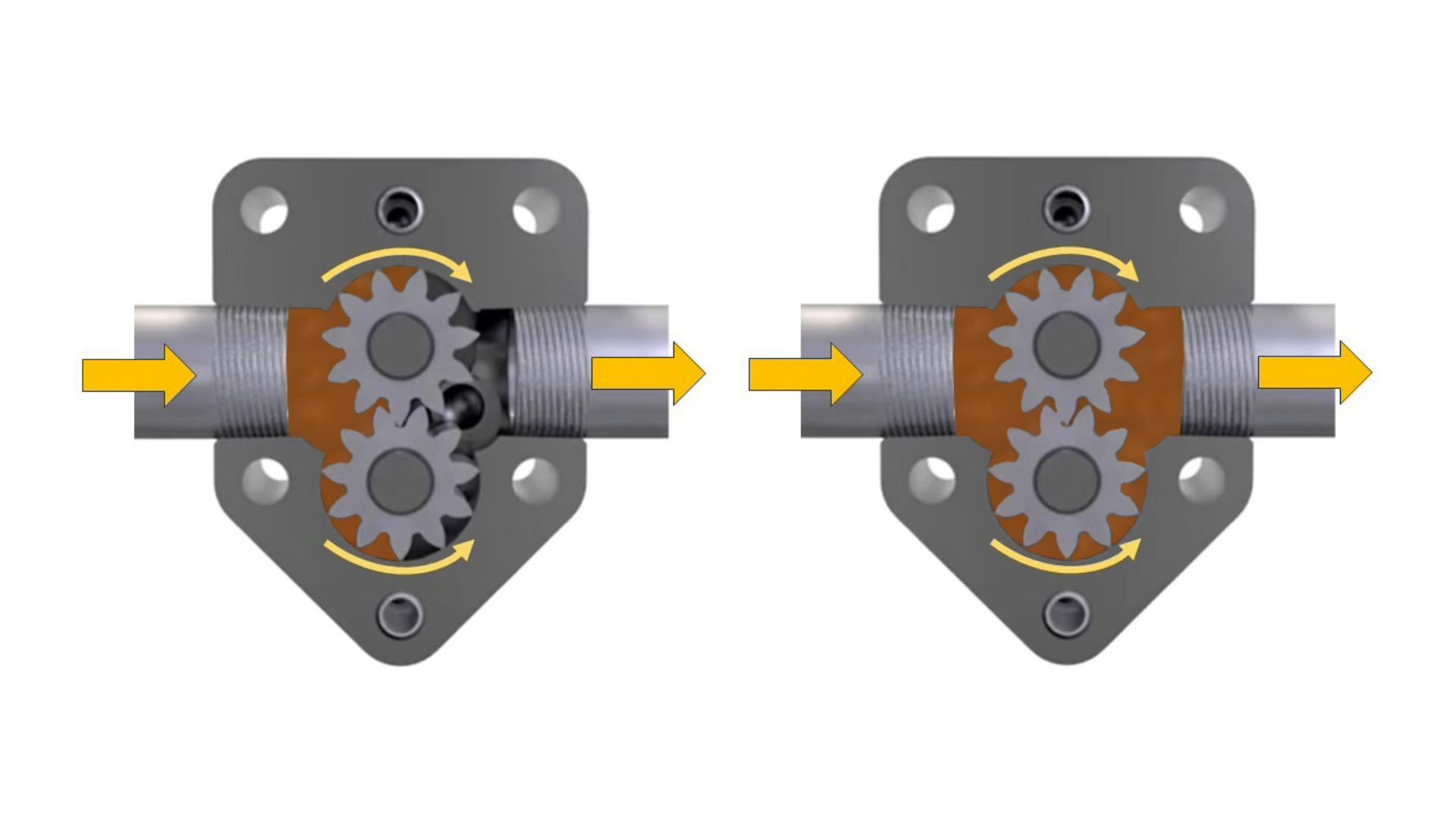
Animations and diagrams illustrating gear pump fluid displacement.
- Gerotor (Rotor) Oil Pumps feature an inner rotor with one less lobe than the outer rotor. Eccentric rotation creates expanding and contracting chambers for oil movement. Gerotors offer compact size, high efficiency, and consistent flow—ideal for modern high-performance industrial engines.
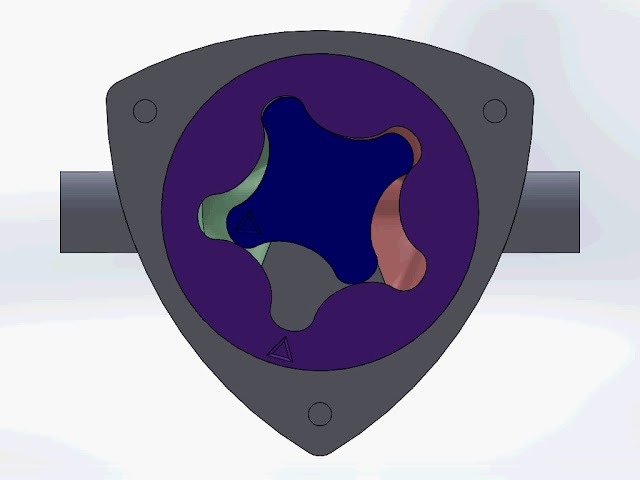

Gerotor pump animations demonstrating smooth, pulsation-free operation.
- High-Volume and High-Pressure Variants For demanding applications, pumps with larger gears/rotors or modified relief valves deliver increased flow (up to 30% more) for better cooling in turbocharged or high-load engines.
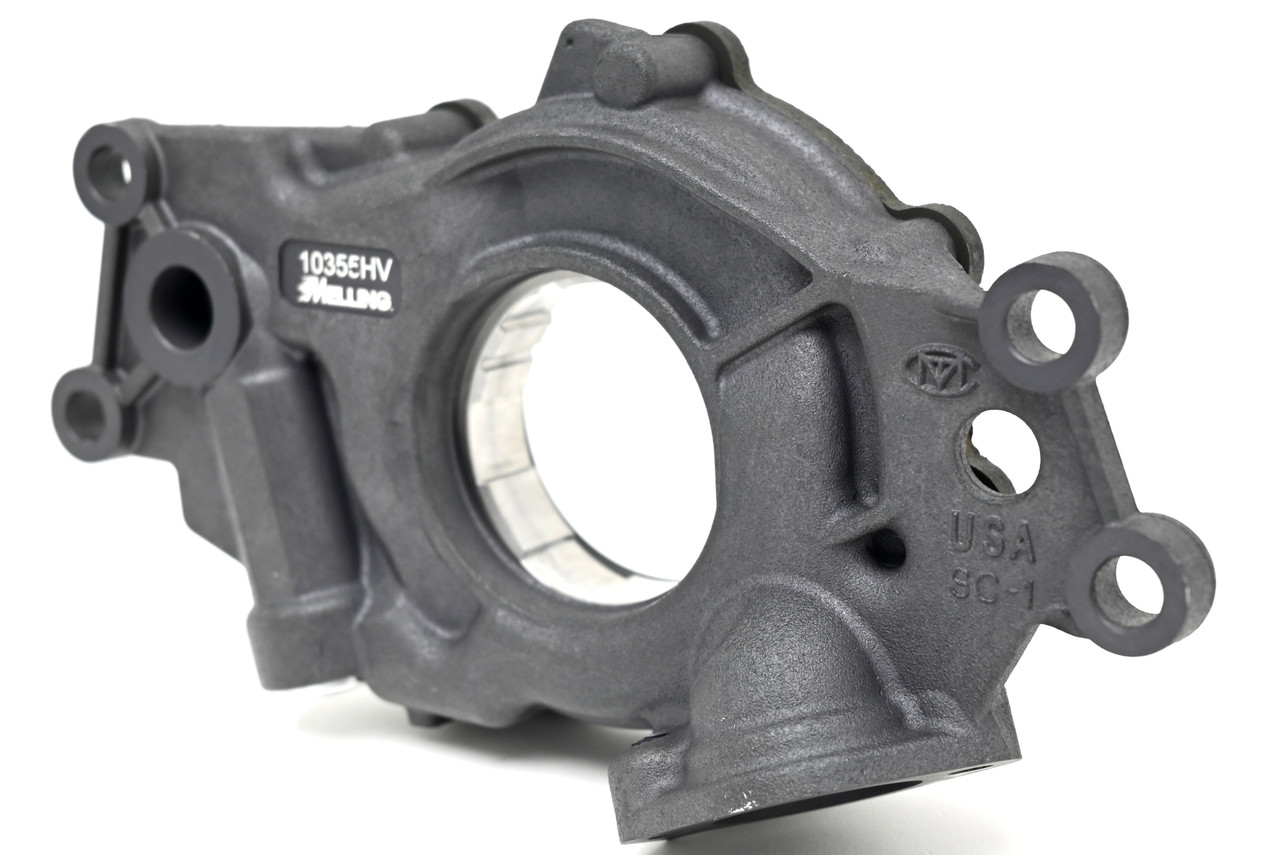

Examples of high-volume oil pumps designed for diesel and performance applications.
- Electric Auxiliary Pumps. Some advanced industrial systems use electric priming pumps for pre-lubrication before startup, critical in large generator sets to prevent dry-start damage.
Volgen Power offers both gear and gerotor designs optimized for commercial generator engines, with options for high-volume flow to support extended operation.
Recognizing Oil Pump Failure Symptoms
Early detection is crucial in industrial environments where downtime is expensive. Common symptoms include:
- Low Oil Pressure Warning Dashboard light or gauge reading below specifications (often <20 PSI at idle).
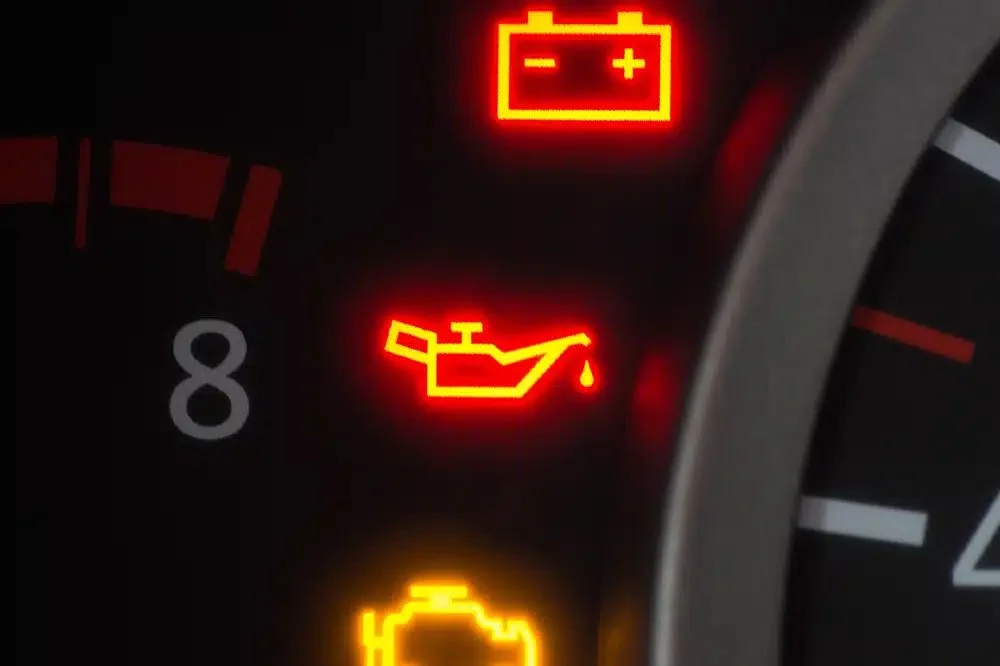
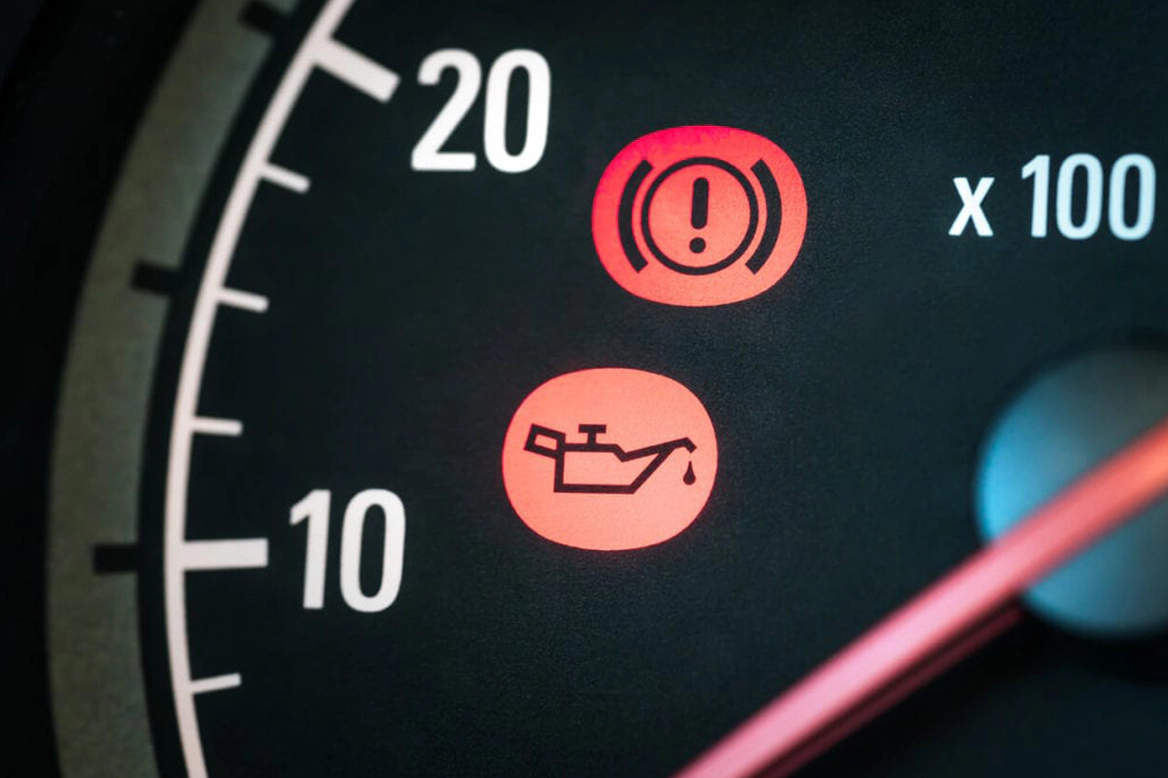
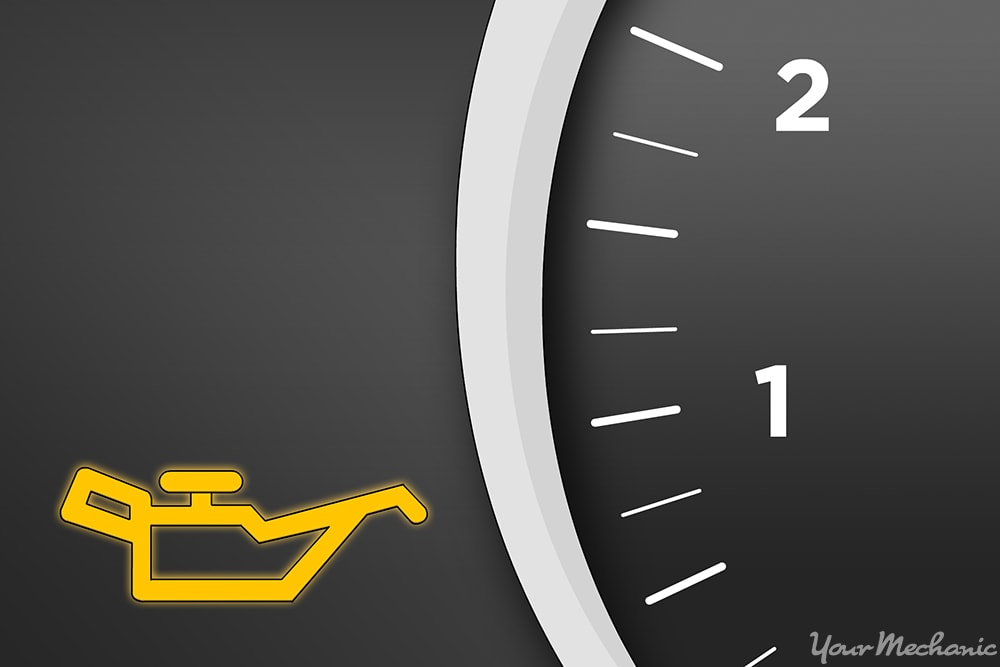
Various low oil pressure warning indicators—immediate action required.
- Engine Noises: Ticking from hydraulic lifters, knocking from bearings, or rattling due to inadequate lubrication.
- Overheating. Poor oil flow reduces heat dissipation.
- Performance Loss: Reduced power, especially under load.
- Contaminated Oil Metal shavings, or debris indicating internal wear.

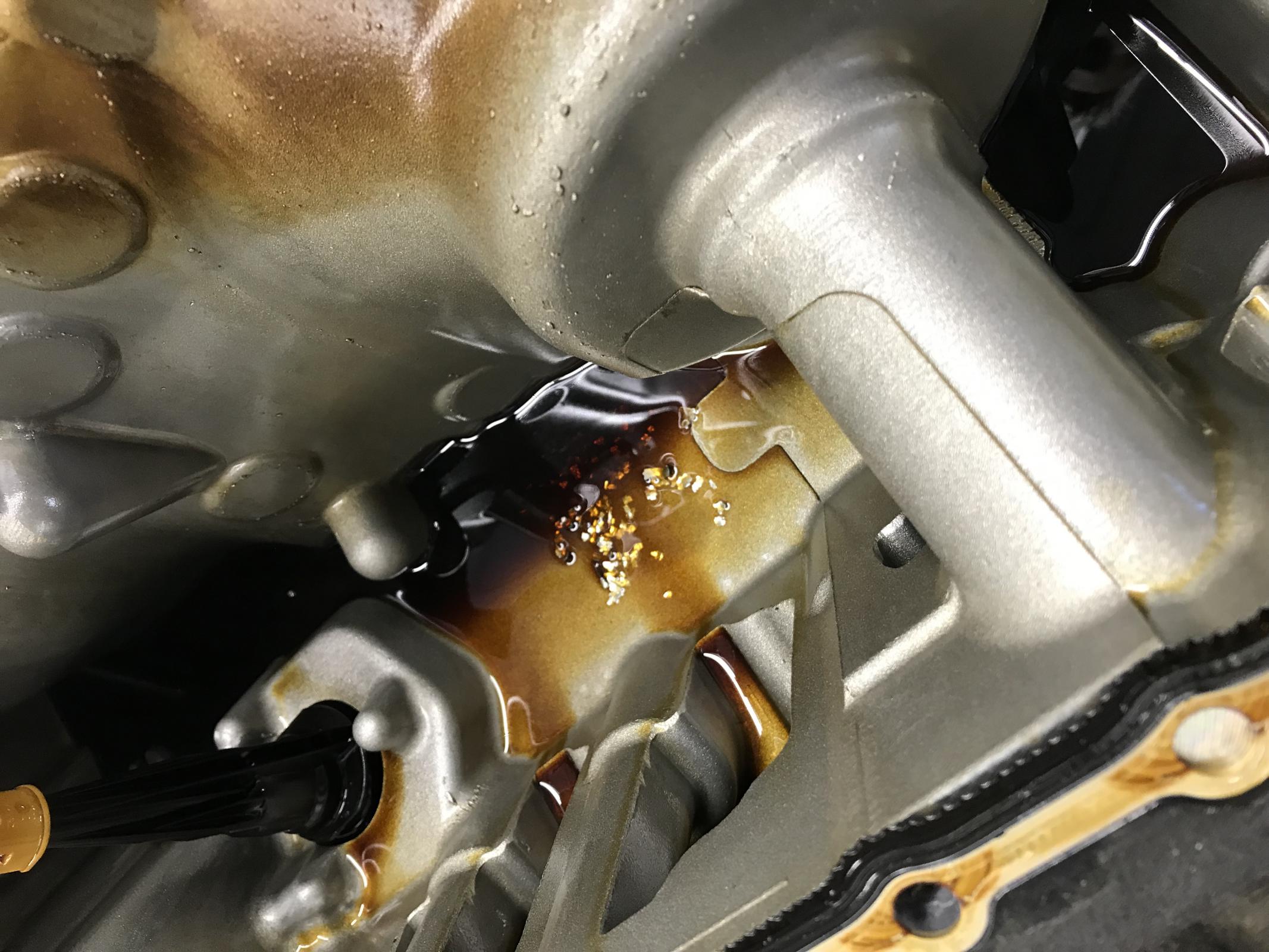
Evidence of severe oil pump wear: metal particles and damaged components.
In generator applications, monitor oil pressure gauges continuously—fluctuations during load changes often signal impending failure.
Anatomy of a Volgen Power Pump: Engineering for Longevity
To the untrained eye, all oil pumps look similar. To the engineer, the difference lies in the micron-level details. Here is how we engineer reliability into every unit.
The Pumping Mechanism: Gear vs. Gerotor
We offer both primary designs, optimized for specific engine families (Cummins, Perkins, Deutz, etc.).
- External Gear Pumps:
- Mechanism: Two intermeshing gears trap oil in the spaces between teeth and the housing wall.
- Application: Ideal for high-pressure requirements in older, rugged diesel engines.
- Volgen Upgrade: We use Helical Gears where possible. Unlike straight-cut spur gears, helical gears engage gradually, reducing pulsation and noise while providing a smoother flow rate.
- Gerotor (Generated Rotor) Pumps:
- Mechanism: An inner rotor drives an outer rotor. The pocket size expands to draw oil in and contracts to push oil out.
- Application: Modern, high-speed diesel engines requiring compact efficiency.
- Volgen Upgrade: Our rotors are precision-machined to tight operational clearances (0.002" - 0.004"). This tight seal prevents "internal leakage" (oil slipping back), ensuring consistent pressure even when the oil gets hot and thin.
The Pressure Relief Valve: The Unsung Hero
The relief valve is the brain of the pump. It regulates pressure to prevent seal blowout.
- Common Failure: In cheap pumps, the relief spring loses tension due to heat cycles (thermal fatigue). This causes the valve to open too early, resulting in chronically low oil pressure.
- Volgen Standard: We use Heat-Treated High-Tensile Springs tested to maintain spring rate integrity over 10,000+ heat cycles. Our valves are calibrated to OEM-specific crack pressures (typically 60-90 PSI for industrial units).
The "Silent Killers": Diagnosing Pump Failure in the Field
For fleet managers and technicians, waiting for the "Low Oil Pressure" light is often too late. By then, bearings may have already spun. Here is how to detect issues early, based on our field analysis.
A. Aeration and Cavitation
If the pump sucks in air (aeration) or creates a vacuum so strong the oil boils (cavitation), the oil becomes a foam. Foam is compressible; liquid oil is not.
- Symptom: Fluctuating oil pressure gauge; whining noise from the pump area.
- Root Cause: Clogged pickup screen, loose pickup tube O-ring, or poor inlet design.
- The Fix: Inspect the pickup tube seal religiously during replacement. Volgen Power kits often include upgraded O-rings/gaskets to seal this critical junction.
B. Gradual Pressure Loss at Operating Temp
The engine shows good pressure at start-up (60 PSI), but drops dangerously low (15 PSI) once the engine runs for 2 hours at full load.
- Diagnosis: This indicates internal wear. The pump clearances have opened up. When oil is cold and thick, it bridges the gap. When oil is hot and thin, it slips past the worn gears back to the inlet.
- Action: Immediate pump replacement is required. Continuing to run in this state will destroy the turbocharger and main bearings.
C. The "Stuck Open" Relief Valve
Debris (metal shavings or sludge) can wedge the relief valve piston open.
- Symptom: Immediate low pressure at all RPMs.
- Prevention: This highlights the importance of clean installation. Volgen Power pumps are packaged in sealed, dust-free environments to ensure no contaminants enter before installation.
The Volgen Standard: Manufacturing & Quality Control (QC)
As a B2B supplier, we know that your reputation depends on our parts. We don't just "batch test"—we validate. Here is the process every Volgen Power pump undergoes before it reaches your inventory.
| QC Stage | Process Description | Why It Matters |
| Material Verification | Spectrographic analysis of raw metal casting and gear steel. | Ensures no impurities that could lead to cracking or premature wear. |
| Machining Precision | CNC machining with tolerance monitoring. | Guarantees gears mesh perfectly for maximum hydraulic efficiency. |
| Hardness Testing | Rockwell hardness testing on gears and rotors. | Verifies resistance to soot abrasion and metal fatigue. |
| End-of-Line Testing | 100% Functional Test. Every pump is spun up on a test bench with oil. | We verify flow rate (GPM) and pressure relief actuation. We do not ship "dead on arrival" units. |
Supply Chain Reliability
In the industrial world, parts availability is critical. Volgen Power maintains a strategic inventory of pumps for major industrial engines:
- Cummins B & C Series, ISX, N14
- Perkins 400, 1100, 4000 Series
- Caterpillar 3300, 3400, C-Series
- Deutz, John Deere, Yanmar, and Kubota Industrial
Our "Ready-to-Ship" program minimizes downtime for critical infrastructure projects.
Related Products
-

190351X Cummins OEM Exhaust Outlet Connection
Request a Quote -

208149 Cummins NT855 OEM Oil Cooler Core
Request a Quote -

2864514 Cummins QSM11 OEM ECM Wiring Harness
Request a Quote -
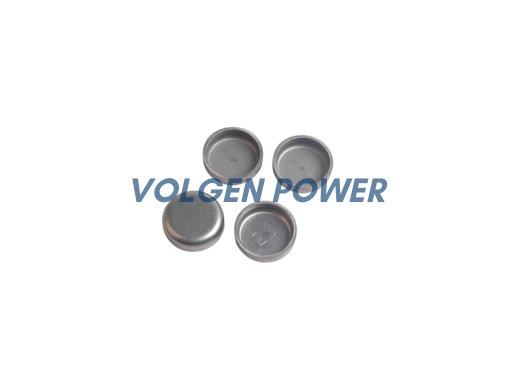
3004258 Expansion Plug For Cummins 6BT 6CT NT855 Engine Parts
Request a Quote
Best Practices: Installation & Priming Protocol
A significant percentage of oil pump "failures" are actually installation errors. A dry start can ruin a brand-new pump in seconds. To protect your investment and warranty, follow this protocol.
Step 1: Cleanliness is Godliness
Clean the engine mounting surface thoroughly. Even a speck of old gasket material can cause misalignment, leading to drive shaft binding.
Step 2: Pre-Lubrication (The Critical Step)
NEVER install a dry pump.
- Pour clean engine oil into the pump inlet.
- Rotate the drive gear by hand until oil flows out of the outlet.
- This creates the initial "hydraulic seal" needed to create suction. Without this, the pump may spin air for 30 seconds while the engine bearings burn.
Step 3: Pickup Tube Inspection
The pickup screen is the pump's only defense against large debris. If you are changing the pump, you must clean or replace the pickup screen. Ensure the pickup tube O-ring is new and lubricated before insertion. A cracked O-ring causes the pump to suck air instead of oil.
Step 4: Prime the System
Before starting the engine:
- Disable the fuel system (unplug the solenoid or injectors).
- Crank the engine in 10-second bursts until the oil pressure gauge registers a reading.
- Reconnect the fuel and start.
Procurement & ROI: The Cost of Going Cheap
For procurement managers, the temptation to save $30 on a "white box" generic pump is real. But let's look at the math of Total Cost of Ownership (TCO).
The Scenario:
A 500kW Standby Generator at a Data Center.
- Cost of Engine Rebuild (due to seizure): $25,000 - $40,000
- Cost of Downtime: Potentially millions in lost data or service level agreement (SLA) penalties.
- Cost of Generic Pump: $150
- Cost of Volgen Power Industrial Pump: $220
The Reality: The price difference ($70) is negligible compared to the risk. Volgen Power pumps are engineered to provide an insurance policy for your asset. By utilizing higher-grade materials and stricter QC, we extend the Mean Time Between Failures (MTBF), aligning with the overhaul intervals of industrial engines.
For Distributors & Repair Shops:
Using Volgen Power pumps protects your reputation. A comeback/warranty claim eats all the profit from a job and damages client trust. Installing a verified, tested Volgen unit ensures the job is done once and done right.
FAQs.
Q: What is the average replacement cost for industrial engines?
A: $1,500–$5,000+, including labor; DIY saves significantly.
Q: How often should oil pumps be inspected in generators?
A: Every 500-1,000 hours or during major service.
Q: Are electric oil pumps better for industrial use?
A: Auxiliary electric pumps excel for pre-lube in large sets.
Q: Can I upgrade to high-volume without modifications?
A: Yes, in most cases—consult specifications.
Q: What oil viscosity affects pump performance?
A: Thicker oils strain pumps; follow manufacturer recommendations.
Conclusion
A reliable engine oil pump is non-negotiable for industrial operations. Understanding its function, recognizing issues early, and choosing quality replacements like those from Volgen Power can prevent costly failures and extend equipment life dramatically.
Contact Volgen Power today for expert consultation, compatibility verification, or to request a quote. Visit volgenpower.com to download technical specifications or schedule technical support—ensure your power stays on when you need it most.