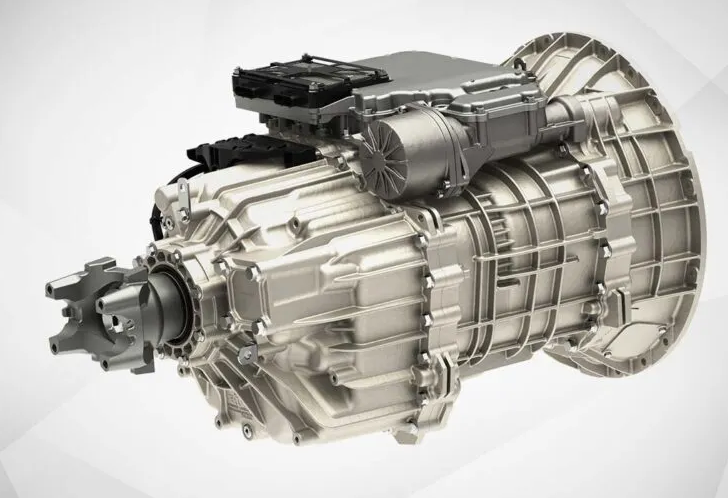
Modern automated manual transmissions (AMTs) have revolutionized the commercial trucking industry, and the Eaton Endurant stands out as one of the most advanced systems on the road today. Engineered for maximum fuel efficiency, weight reduction, and smooth operation, it is the transmission of choice for countless heavy-duty fleets globally. However, even the most robust engineering cannot entirely escape the realities of extreme loads, high mileage, and harsh driving environments.
When an Eaton Endurant transmission encounters performance issues, the resulting downtime can cost a fleet thousands of dollars a day in lost revenue, missed deliveries, and towing fees. As a professional commercial vehicle spare parts supplier, Volgen Power interacts daily with fleet managers, distributors, and diesel mechanics who are battling these exact issues. We understand that identifying the root cause quickly and sourcing the right replacement parts is the absolute key to minimizing downtime.
This comprehensive 2026 guide dives deep into the most common Eaton Endurant transmission problems, including worn 1st gear components, explores their underlying technical causes, and provides actionable solutions. Whether you are troubleshooting a stubborn fault code or looking to stock up on reliable replacement parts for your repair facility, this guide will provide the insights you need.
Table of Contents

Common Eaton Endurant Transmission Problems
Identifying a transmission issue early is the difference between a simple sensor replacement and a catastrophic gearbox failure. Based on field data and the high-demand parts moving through our Volgen Power warehouses, here is a detailed breakdown of the most frequent Endurant transmission problems.
1. Endurant Transmission Not Shifting (Stuck in Gear)
The most alarming issue a driver can face is an AMT that refuses to shift gears. This can manifest as delayed gear engagement, the transmission getting stuck in a specific gear (often neutral or a low gear), or a complete failure to upshift or downshift while accelerating. For a fleet, this usually means a truck is stranded on the side of the highway or blocking a loading dock, requiring immediate towing.
Root Causes: In the Eaton Endurant system, shifting is managed electronically and executed pneumatically or electromechanically. The most common culprit we see at Volgen Power is a failing clutch actuator. This component does the heavy lifting of engaging and disengaging the clutch. Over time, internal seals can degrade, or the electrical motor within the actuator can burn out due to constant cycling. Secondary causes include malfunctioning speed sensors that fail to tell the Transmission Control Unit (TCU) how fast the truck is moving, or internal wiring harness degradation that interrupts the signal between the TCU and the shifting mechanisms.
Diagnostic Tip: Mechanics should first verify air pressure if the system utilizes pneumatics, then move immediately to checking the clutch actuator using OEM diagnostic software. If the actuator commands are sent but not executed, the actuator assembly is likely the culprit and requires direct replacement.
2. Gear Slipping Under Heavy Load
Gear slipping occurs when the transmission fails to maintain a solid connection between the engine's power and the drivetrain. Drivers will often report that the engine RPMs spike unexpectedly without a corresponding increase in vehicle speed. This is particularly noticeable when the truck is hauling a full load up a steep grade or accelerating aggressively from a dead stop.
Root Causes: Unlike a sudden electronic failure, gear slipping is almost always a mechanical wear-and-tear issue. The primary suspect is severe clutch wear. Even though the Endurant is automated, it still relies on physical clutch friction materials. As these materials degrade, they lose their gripping power. Another deeper internal issue could be worn synchronizers or damaged gear sets. If the transmission fluid has been contaminated or run low for extended periods, the internal metal components lose their protective lubrication film, leading to rapid degradation of the gear teeth.
Diagnostic Tip: Drain a small amount of the transmission fluid and inspect it. A burnt smell indicates an overheating clutch, while excessive metal shavings in the fluid point directly to internal gear or bearing destruction. In both scenarios, an overhaul utilizing high-quality replacement parts is imminent.
3. Fault Codes & Dashboard Warning Lights
Modern AMTs are essentially giant computers attached to a driveline. When something goes wrong, the truck's dashboard will light up like a Christmas tree, often triggering a "Service Transmission" warning, a check engine light, or forcing the truck into a restricted "Limp Mode" (where the truck can only operate in a single, low gear to reach a safe location).
Root Causes: The Eaton Endurant relies on a complex network of sensors—including input/output shaft speed sensors, temperature sensors, and position sensors. These sensors are constantly communicating via the J1939 data link. Problems arise when these sensors fail due to thermal cycling, vibration, or moisture intrusion. Wiring harnesses exposed to road salt, water, and extreme heat can develop micro-cracks, leading to intermittent shorts or communication errors that confuse the TCU.
Diagnostic Tip: Never just clear the codes and send the truck back on the road. At Volgen Power, we highly recommend workshops to pull the specific active and inactive fault codes. Codes pointing to "loss of communication" usually mean a harness or connector issue, while codes indicating "implausible signal" usually mean the sensor itself has died and needs a direct replacement.

4. Abnormal Noise or Driveline Vibration
A healthy Endurant transmission operates with a predictable, smooth hum. When drivers report whining, grinding, clunking, or rhythmic vibrations coming from beneath the cab, it is a clear mechanical cry for help. Whining noises that change pitch with vehicle speed usually indicate bearing issues, while harsh grinding during shifts points to synchronizer or gear engagement problems.
Root Causes: Bearing wear is a major factor here. Main shaft and countershaft bearings handle immense torque loads. Over hundreds of thousands of miles, the hardened surfaces of these bearings can pit and spall. If the noise is specifically a grinding sound during an attempted shift, the transmission's synchronizers—which match the speeds of the gears before they engage—are likely worn out or damaged. Furthermore, if the transmission mounting brackets become loose or the internal dampening springs within the clutch assembly break, it will send aggressive harmonic vibrations straight through the chassis.
Diagnostic Tip: Isolate the noise by noting exactly when it occurs. Does it happen only in specific gears? (Points to specific gear sets). Does it happen under acceleration but disappear when coasting? (Points to bearing load issues).
5. Transmission Fluid / Oil Leakage
While seemingly less critical than an electronic failure, a transmission fluid leak is a silent killer. Symptoms are obvious: visible oil pooling under the truck after being parked, or a constantly dropping fluid level requiring top-offs.
Root Causes: The Endurant relies on premium synthetic transmission fluid for both lubrication and cooling. Leaks typically originate from aging rubber seals and gaskets that have become brittle from constant heat exposure. The output shaft seal is a highly common failure point due to driveline vibrations. Other vulnerable areas include the input shaft seal, the PTO (Power Take-Off) cover gasket, and sometimes the transmission cooler lines or fittings.
Diagnostic Tip: Clean the transmission housing completely with a heavy-duty degreaser, add a UV dye to the transmission fluid, and run the truck for a short distance. Using a UV light will instantly pinpoint the exact origin of the leak, saving hours of guesswork.
? Expert Insight from Volgen Power Technical Team
"Many fleet operators mistake a shifting failure for a complete transmission breakdown. In our experience supplying parts for thousands of heavy-duty units, over 70% of shifting issues in the Eaton Endurant are caused by a failing clutch actuator or a simple wiring harness short. Before committing to a costly full-unit replacement, always perform a 'forced calibration' via your diagnostic tool. If it fails, replacing the actuator with an OEM-standard unit from a reliable supplier is often the most cost-effective path to getting back on the road."
What Causes Endurant Transmission Failures?
Understanding the symptoms is only half the battle. To truly manage fleet maintenance costs, you must understand why these failures occur. In our experience supplying parts globally at Volgen Power, most Endurant transmission problems trace back to three core operational realities:
Component Wear from Extreme Mileage: Commercial trucks are built to run, but parts have finite lifespans. Bearings, clutch friction plates, and actuator motors simply wear out over 500,000+ miles of operation.
Poor Preventive Maintenance: The Endurant is marketed as a low-maintenance unit, but "low" does not mean "none." Missing scheduled fluid changes degrades the oil's viscosity and thermal properties. Running on old, contaminated oil rapidly accelerates the wear of every internal moving part.
Harsh Operating Conditions: Fleets operating in mountainous terrain, heavy-haul vocations (like logging or construction), or extreme temperatures push the transmission to its thermal and physical limits, significantly shortening the lifespan of sensors and seals.
Solutions & Recommended Replacement Parts
When a transmission goes down, replacing the entire unit is rarely the most cost-effective solution. In most cases, targeted part replacement can restore the Endurant transmission to OEM-level performance for a fraction of the cost.
As a direct supplier of heavy-duty diesel engine parts and transmission components, Volgen Power provides the exact-fit components workshops need to execute these repairs efficiently.
Targeted Solutions:
- Fixing Shifting Issues: If the transmission won't shift, the solution almost always involves replacing the clutch actuator assembly. We also recommend inspecting the wiring harness and replacing any corroded speed sensors.
- Resolving Gear Slipping: Slipping requires a mechanical intervention. Mechanics will need to drop the transmission and install a complete clutch replacement kit. If internal damage is found, replacing the specific worn gear sets or synchronizers is mandatory.
- Eliminating Leaks and Noise: Addressing leaks early saves the internal gears. This requires dropping the driveline to install fresh output shaft seals and comprehensive gasket kits. If bearings are whining, a targeted bearing replacement kit must be installed during a teardown.
Related Products
-

Eaton 5577511-MP4 TCM Mounting Stud | Endurant HD OEM
Request a Quote -

Eaton S-3204 Inertia Brake Air Line Assembly | Endurant HD OEM
Request a Quote -

Eaton S-3206 Primary Drive Gear | Endurant HD OEM
Request a Quote -

Eaton K-4603 Input Shaft Kit | Endurant HD OEM
Request a Quote
Fleet Management Strategy: When to Repair vs. Replace
For B2B buyers and fleet managers, every maintenance decision is a strict ROI calculation. Should you rebuild the current Endurant transmission or order a complete replacement unit?
You Should Repair/Rebuild When:
- The issue is isolated to external components (e.g., a faulty clutch actuator, a leaking seal, or dead sensors).
- The truck has relatively lower mileage, and the internal gears are still in excellent condition.
- The cost of the required replacement parts (sourced from a reliable supplier like Volgen Power) and labor is less than 40% of the cost of a new transmission.
You Should Replace the Entire Unit When:
- The transmission has suffered catastrophic internal failure (e.g., running dry on oil, resulting in melted bearings and shattered gear sets).
- The unit has extremely high mileage, and replacing one part will likely lead to another part failing shortly after.
- Minimizing downtime is so critical that your fleet cannot wait for a multi-day teardown and rebuild.
"At Volgen Power, we advise our B2B partners to look beyond the immediate repair cost. For an Eaton Endurant transmission nearing the 500,000-mile mark, replacing a single seal or sensor may only be a temporary fix. At this stage, internal bearing fatigue and synchronizer wear become high-risk factors. If your truck is down for a major repair at high mileage, we recommend a comprehensive overhaul kit rather than piecemeal parts. Investing in a full kit ensures all high-wear components are refreshed simultaneously, preventing a second teardown just months later."
Volgen Power: Your Trusted Commercial Vehicle Spare Parts Supplier
When your fleet is grounded by an Eaton Endurant transmission problem, the last thing you need is a supplier who sends the wrong part or delays shipping.
At Volgen Power, we are not consultants; we are a dedicated, professional spare parts supplier deeply embedded in the commercial vehicle industry. We specialize in providing high-quality replacement parts for heavy-duty systems, including diesel engine components, ZF TraXon gearboxes, and Eaton Endurant automated transmissions.
Why B2B Buyers Choose Volgen Power:
- Strict OEM Standards: We ensure every gear, actuator, and seal we supply meets or exceeds original equipment specifications for durability and fitment.
- Deep Technical Expertise: You aren't just buying from a catalog. Our team understands commercial transmissions and can help verify part numbers to ensure you get exactly what you need the first time.
- Global Supply Chain: We maintain stable inventory levels and robust logistics to support workshops, distributors, and fleet operators worldwide.
FAQs.
u003cbru003eu003cstrongu003eQ1: What is the most common failure point on the Eaton Endurant transmission?u003c/strongu003e
u003cbru003e A: Electrical and pneumatic shifting issues are the most common, frequently tracing back to a failing clutch actuator or faulty speed sensors.
u003cbru003eu003cstrongu003eQ2: How much does it cost to fix an Endurant transmission that won't shift?u003c/strongu003e
u003cbru003e A: It depends heavily on the root cause. If it is a sensor, it is a low-cost repair. If the clutch actuator has failed, the part alone can be a significant investment, but it is still vastly cheaper than replacing the entire transmission.
u003cbru003eu003cstrongu003eQ3: Can I use aftermarket parts for an Endurant transmission repair?u003c/strongu003e
u003cbru003e A: Yes, provided they are high-quality parts manufactured to strict OEM standards. Using cheap, substandard parts often leads to premature secondary failures. Sourcing from a reputable B2B supplier like Volgen Power ensures reliability.
u003cbru003eu003cstrongu003eQ4: How often should I change the fluid in an Endurant transmission?u003c/strongu003e
u003cbru003eu003cbru003eA: While Eaton advertises extended drain intervals (sometimes up to 750,000 miles under perfect conditions), real-world fleets operating in severe duty cycles often change their fluid much earlier (e.g., 250,000 - 300,000 miles) to prevent internal wear. Always consult your specific OEM manual.